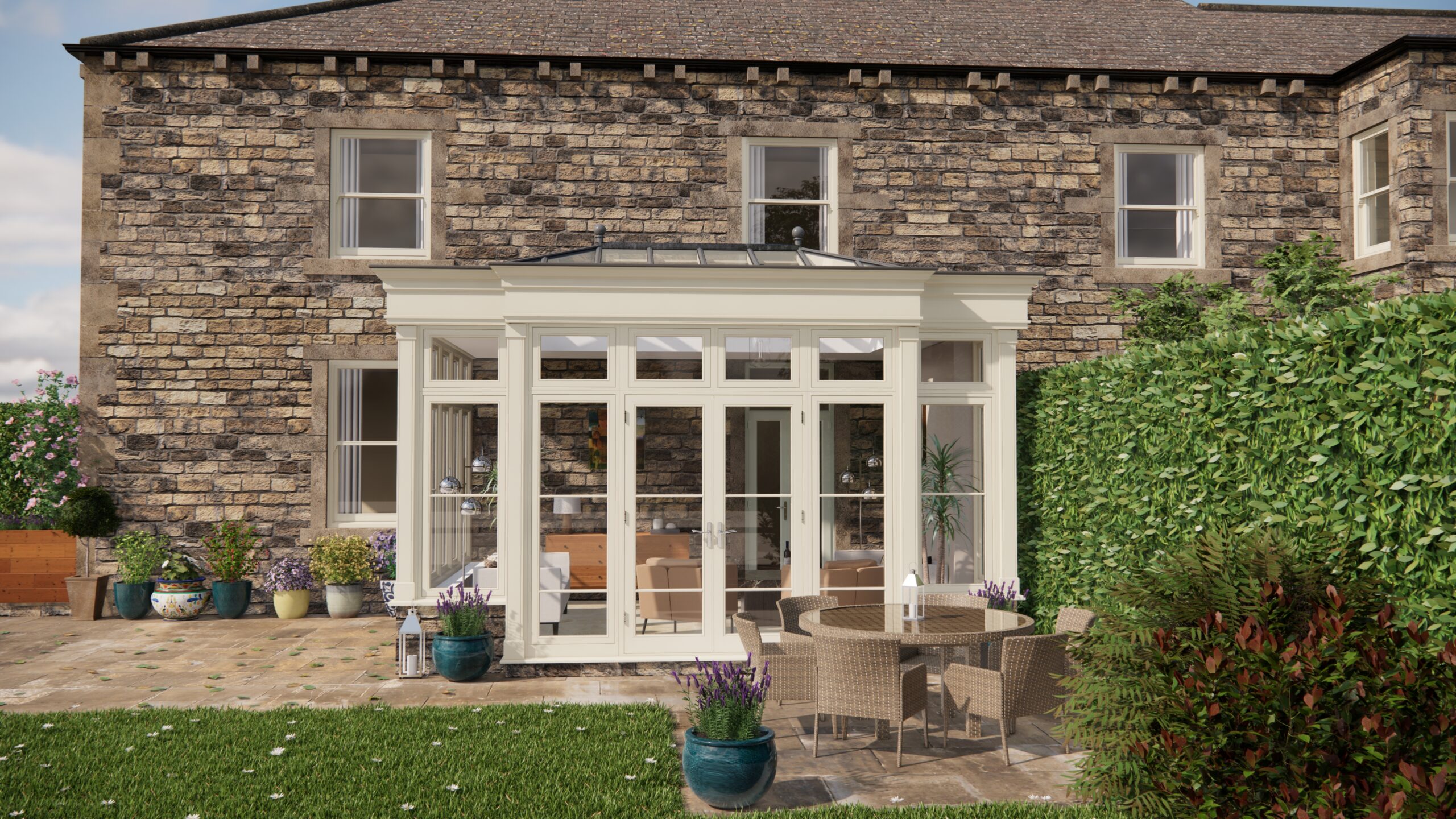

Right, let’s talk orangeries and that dreaded phrase: Building Regulations. I was catching up with my mate Jay the other day, who’s just finished building a stunning orangery onto his place, and we got deep into the nitty-gritty of compliance. It’s not always the most exciting topic, but absolutely crucial to get right. So, grab a cuppa, and let’s dive in.
Jay’s project really hammered home the importance of understanding the Building Regulations from the get-go. He mentioned, and I agree that the planning bit can be a minefield, especially if you’re dealing with a listed building or even a property in a conservation area. He spent ages researching permitted development rights to avoid needing full planning permission, but ultimately had to go for full planning due to the orangery size. Remember, listed buildings have stricter rules, often needing listed building consent for even minor alterations.
Then came the big one – Building Regulations. Jay kept stressing that structural integrity is paramount. Your orangery roof, for instance, needs to withstand wind loads, snow loads, and its own weight. A structural engineer is your best friend here. They’ll calculate the necessary beam sizes, foundation depth, and so on. It really is not something to scrimp on.
We then got chatting about the roof itself. Jay chose a glazed roof, which looks fantastic, but he said that the regulations around insulation were a bit more involved compared to, say, a tiled roof. Glazed roofs require high-performance glazing to meet thermal efficiency standards and to reduce heat loss and overheating. He also needed to demonstrate compliance with Part L of the Building Regulations, which covers energy conservation. This involved U-value calculations and ensuring the glazing met the required energy performance standards. Tiled roofs, on the other hand, have different insulation requirements, typically involving layers of insulation between the rafters. Flat roofs present their own challenges, requiring careful consideration of insulation, drainage, and weatherproofing to prevent water pooling and leaks. Different roof styles also need to be considered as they have an impact on compliance.
Weather tightness is another huge factor. Think about rain penetration, wind-driven rain, and potential leaks. Jay said he went overboard with sealant, which I’m sure is good for the long run. The regulations also dictate that adequate drainage systems are in place to remove rainwater effectively. Guttering and downpipes need to be sized correctly to handle expected rainfall volumes.
We talked about ventilation and the impact this can have on condensation. Condensation, Jay explained, is the silent killer of orangeries and outbuildings. Lack of ventilation leads to moisture build-up, which then creates the perfect breeding ground for rot and mould. Building Regulations require adequate ventilation to prevent condensation and maintain healthy indoor air quality. This can be achieved through trickle vents in windows, extractor fans, or even a whole-house ventilation system. Jay installed automatic roof vents that open when the humidity rises.
Fire safety is another crucial area. Although orangeries are typically considered extensions rather than habitable rooms, fire safety regulations still apply. Jay pointed out that the regulations cover things like fire resistance of materials, escape routes, and fire detection systems. For example, if the orangery connects to the main house, a fire door may be required.
Finally, accessibility. Building Regulations require new construction projects to consider accessibility for people with disabilities. Jay’s orangery had a level threshold and wide doorways to ensure it was accessible for wheelchair users. While not always mandatory for smaller extensions, it’s something to consider, especially if you plan to sell the property in the future.
So there you have it; constructing an orangery involves a whole host of considerations, from adhering to the structural requirements, thinking about fire safety, to accessibility for all. It’s really about making sure the structure is stable, weatherproof and a comfortable, safe space. Getting a structural engineer and a knowledgeable builder onboard early is worth every penny – they can guide you through the Building Regulations maze and ensure your orangery is not just beautiful but also fully compliant. Ignoring the regulations, or even being lax on the rules can cause huge problems down the line so it is something that needs to be a priority from the very beginning.