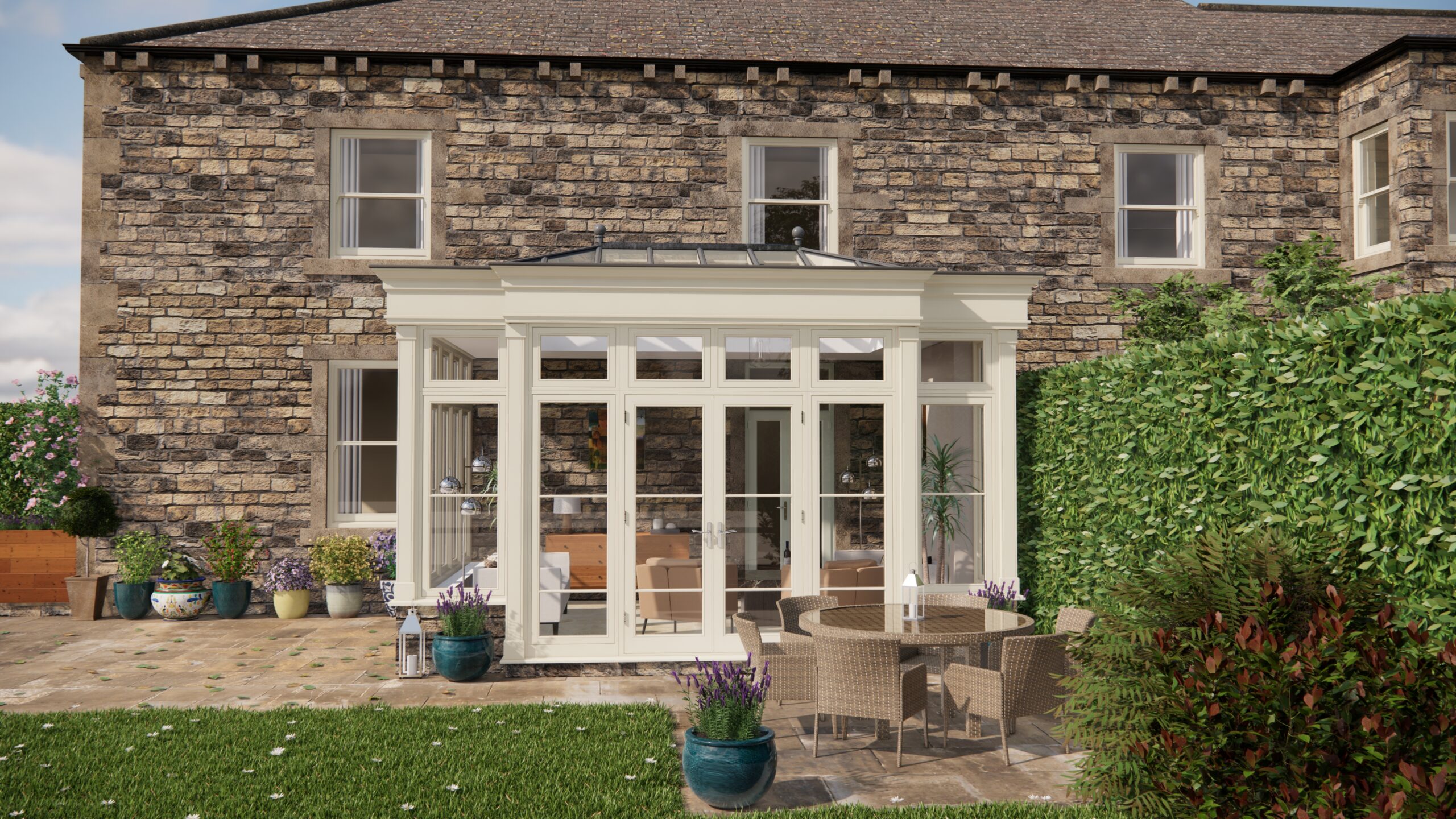
Right, let’s talk orangeries! Specifically, the often eye-watering cost of bringing one to life, especially when listed building status throws a spanner in the works. I was chatting with Daisy the other day, and she’s in the middle of planning an orangery extension for her lovely, but very historic, home. Her experiences really hammered home some crucial points about cost estimation and budgeting for these projects, so I thought I’d share some insights.
Daisy’s Story: The Listed Building Hurdle
Daisy’s house is a Grade II listed beauty, which means any changes, even relatively minor ones like an orangery, are subject to intense scrutiny. The first shock for her was the sheer number of specialist consultants needed. We’re not just talking about an architect. She needed a conservation officer consultation before even approaching an architect, and then a structural engineer familiar with listed buildings, and potentially even a heritage consultant to advise on materials and methods.
Actionable Insight: Factor in at least 10-15% of your total project budget for these specialist consultations if your property is listed. Get quotes from multiple consultants and be clear about the scope of their work upfront. A vague agreement can lead to escalating costs later.
Materials Matter (and Cost)
Forget popping down to your local DIY store for off-the-shelf materials. Daisy quickly learned that conservation-grade materials were essential to match the existing aesthetic of her house and satisfy the planners. This meant sourcing reclaimed bricks, matching the existing lime mortar, and using specific types of glazing that were energy-efficient but also visually sympathetic to the period of the house.
Actionable Insight: Research approved suppliers of conservation-grade materials early. These materials are often more expensive and have longer lead times, which can impact your project schedule and, consequently, your budget. Discuss material options with your architect and conservation officer to avoid costly rework later. Don’t underestimate the difference between ‘similar’ and ‘matching’ – it can make a huge difference to the approval process. Factor in the cost of specialist tradespeople who are experienced in working with these materials; their skills are vital to a quality, compliant finish.
Planning Permission: Prepare for the Long Haul
The planning permission process for listed buildings is notoriously lengthy and complex. Daisy’s initial planning application was rejected, requiring revisions and further consultations. This added months to the project timeline and, inevitably, increased costs. She had to compromise on some of her initial design ideas to get approval.
Actionable Insight: Engage with your local planning authority before submitting a formal application. A pre-application consultation can highlight potential issues and help you tailor your design to increase the chances of approval. Be prepared to be flexible and willing to compromise on certain design elements. Consider a ‘design and access statement’ to clearly explain the rationale behind your design choices and how they respect the heritage of the building. Factor the cost of potentially multiple planning applications into your budget.
Budgeting Strategies: Avoiding Cost Overruns
Daisy’s biggest piece of advice was to build in a significant contingency fund. Unexpected issues always arise, especially with older buildings. Hidden damp, structural weaknesses, and unforeseen complications with utilities can all lead to budget blowouts. She recommends a contingency of at least 20% of the total project cost, but possibly higher for very old or complex properties.
Actionable Insight: Get detailed, itemised quotes from multiple builders. Don’t just focus on the overall price; scrutinise the breakdown of costs to understand where your money is going. Ask for references and check the builder’s experience with listed building projects. Insist on a fixed-price contract where possible, but be aware that variations may still occur due to unforeseen circumstances. Monitor the project closely and regularly review your budget against actual costs. Don’t be afraid to ask questions and challenge any unexpected charges. A project manager experienced in listed buildings may be a worthwhile investment to oversee the project and manage the budget.
Security and Damp-proofing Considerations
Daisy also mentioned the need to incorporate modern security and damp-proofing measures into the orangery design without compromising its historical integrity. This often required innovative solutions, such as discreetly integrated alarm systems and breathable damp-proof membranes. These considerations added to the overall cost but were essential for protecting the investment and ensuring the long-term viability of the structure.
Actionable Insight: Consult with specialists in security and damp-proofing who have experience working with listed buildings. They can recommend appropriate solutions that meet both conservation requirements and modern performance standards. Ensure that any damp-proofing measures are breathable to allow the building to breathe and prevent future problems with moisture. Consider the impact of security features on the overall aesthetic of the orangery and choose options that are as unobtrusive as possible.
So, Daisy’s journey, while ongoing, serves as a valuable reminder that building an orangery, particularly on or near a listed property, requires meticulous planning, realistic budgeting, and a healthy dose of patience. It’s about understanding the unique challenges involved, engaging with the right specialists, and being prepared for the unexpected. This means building in a contingency, getting detailed quotes and understanding material costs and the planning process. By factoring in these key considerations, you can increase your chances of achieving your orangery dreams without breaking the bank (or, at least, minimising the potential damage!).