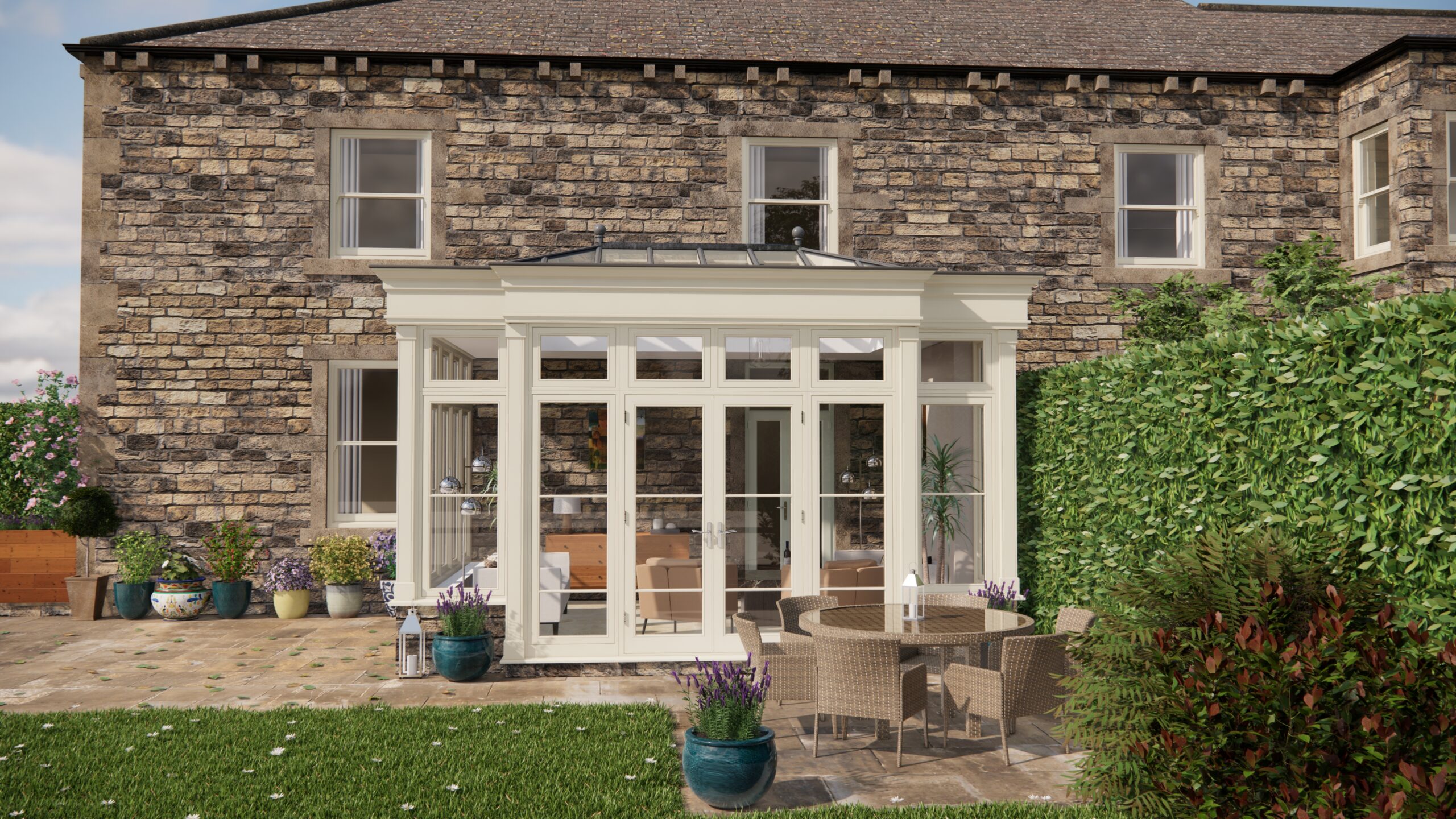
Right, let’s delve into the nitty-gritty of orangery foundations and structural engineering! I recently had a really insightful chat with Lola, a structural engineer who specialises in… well, making sure things don’t fall down, especially when it comes to these beautiful glazed extensions. I wanted to understand how to ensure your dream orangery stays put, no matter the ground beneath. Think of this as your friendly guide, walking you through the process.
Understanding the Ground Beneath Your Feet
First things first: the soil. You can’t just slap down a foundation without knowing what you’re dealing with. “Every site is unique,” Lola emphasised. “What works perfectly on one property could be disastrous a few doors down.” The key is a thorough site investigation. This usually involves a soil investigation report (often called a ‘site investigation report’) carried out by a qualified geotechnical engineer. They’ll drill boreholes and take samples to analyse the soil composition, its bearing capacity (how much weight it can support), and its behaviour when wet. This isn’t just a formality; it’s the bedrock (pun intended!) of your orangery’s stability. This information is what will be submitted to building control to ensure compliance with regulations.
Choosing the Right Foundation Type
Once you’ve got the soil report, it’s time to choose the right foundation type. Lola explained the most common options:
-
Strip Foundations: These are the standard choice for most orangeries on stable ground. They’re essentially continuous concrete trenches that support the walls. The depth and width will depend on the load and soil conditions. A typical strip foundation might be 600mm wide and 1m deep, but always consult your structural engineer for specifics.
-
Raft Foundations: If the soil is weak or uneven, a raft foundation might be necessary. This is a large, reinforced concrete slab that spreads the load over a wider area. It’s more expensive than strip foundations, but it provides better stability on challenging sites. Think of it as a giant, reinforced concrete surfboard for your orangery!
-
Piled Foundations: For seriously unstable ground (think clay soil prone to significant movement or even reclaimed land), piled foundations are the answer. These involve driving or boring piles deep into the ground to reach a stable layer. A concrete ground beam then ties the piles together and supports the orangery walls. These are the most complex and expensive option, but essential for very poor ground conditions.
Structural Engineering Magic: Load Calculations and Beam Design
Foundations are only half the story. The orangery’s structure itself needs to be strong enough to withstand various loads – the weight of the roof, the glazing, snow, wind… you name it. This is where a structural engineer really earns their keep. Lola walked me through the basics:
-
Load Calculations: These are complex calculations that determine the maximum forces acting on the structure. They take into account everything from the weight of the materials to the local wind and snow loading. Building regulations will stipulate the minimum loads to be considered. The British Standards set the methodology to be followed.
-
Beam Design: Based on the load calculations, the engineer will design the supporting beams and columns. These can be made of steel, timber, or reinforced concrete. The size and type of beam will depend on the span (the distance between supports) and the load it needs to carry. For large-span orangeries, steel beams are often the preferred choice due to their strength and ability to span longer distances without sagging. Timber is another common material, although the sizes are frequently larger than steel.
-
Finite Element Analysis (FEA): For complex designs, engineers often use FEA software to model the structure and simulate its behaviour under different loads. This helps them identify potential weak spots and optimise the design to ensure it’s both safe and efficient. Imagine stressing your orangery in a virtual world, finding any weak point before construction begins.
Preventing Settlement and Roof Deflection
Even with a well-designed foundation and structure, settlement (the sinking of the building) can still occur. Lola explained how to minimise this risk:
-
Compaction: Proper compaction of the ground is crucial. Before pouring the foundations, the soil needs to be compacted to a specific density. This helps to prevent settlement later on.
-
Drainage: Good drainage is also essential. Water can weaken the soil and contribute to settlement. Make sure there are adequate drainage systems in place to divert water away from the foundations.
-
Roof Deflection: Large glazed spans can be prone to deflection (sagging) under load. To prevent this, the engineer will need to carefully design the roof structure and choose materials with adequate stiffness. Deeper beams and thicker glazing can help to reduce deflection.
So, there you have it – a whistle-stop tour of orangery foundations and structural engineering. It’s a lot to take in, but hopefully, this demystifies the process a bit. Remember, engaging with a qualified structural engineer is not optional; it’s essential for a safe and stable orangery. They will ensure the construction meets the required building control requirements. Investing in proper foundations and structural design will save you money and headaches in the long run, ensuring your beautiful orangery stands the test of time.