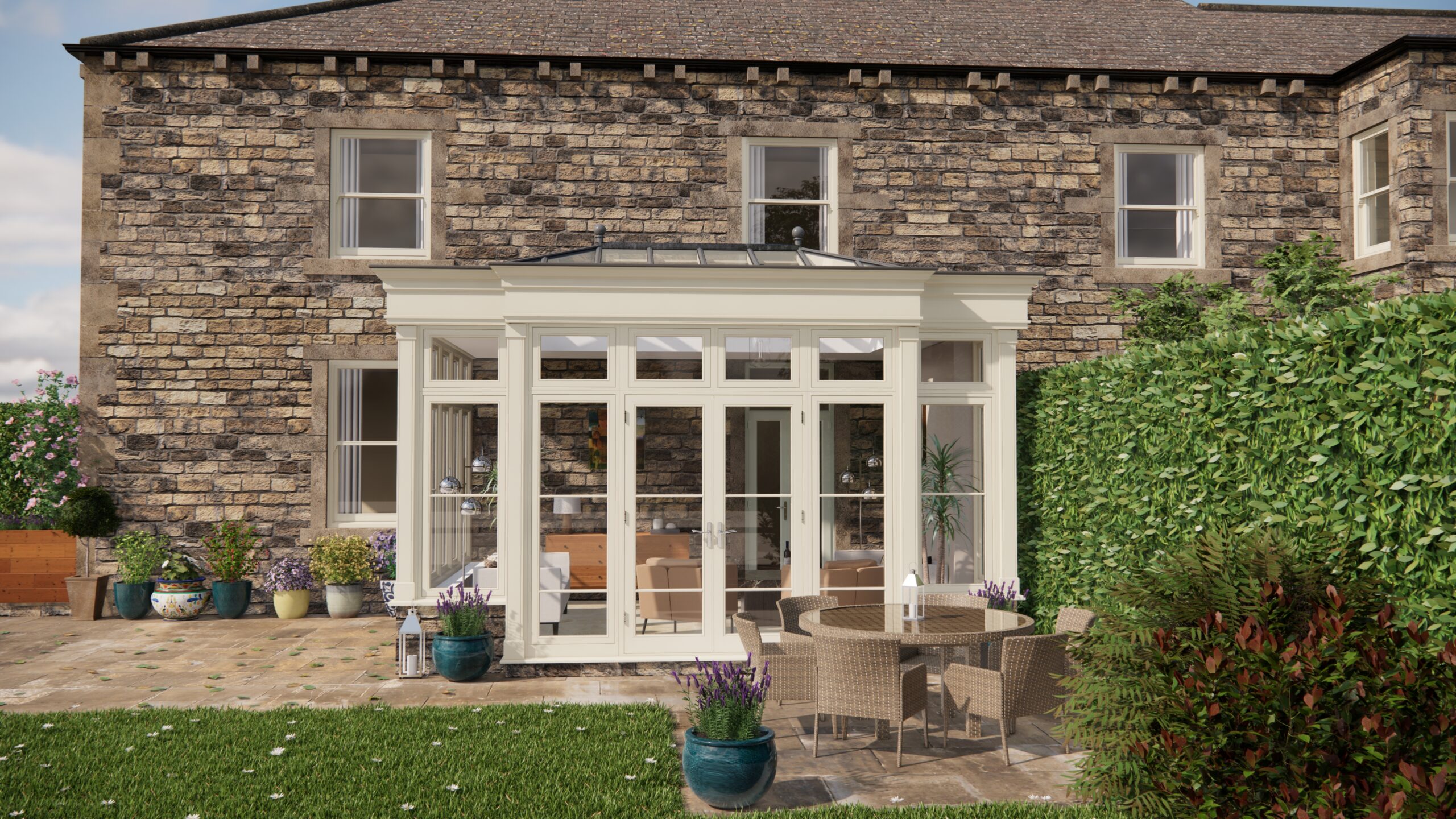
Right, settle in, grab a cuppa. I was chatting with Charlie the other day – you know, Charlie who built that stunning orangery onto his Victorian terrace? We got talking about glazing, and honestly, it’s way more complex than just sticking some glass in a frame. He had a few teething problems, and his experiences really hammered home how crucial the right glazing is to an orangery’s success. We were discussing construction articles, really focusing on how glazing plays such a pivotal role in the overall design and functionality. From aesthetics to energy efficiency, it’s a big deal.
Glass Types: More Than Meets the Eye
First off, Charlie mentioned how he initially underestimated the variety of glass available. He went with standard double glazing, thinking it was sufficient. Big mistake, he admitted! He soon realised it wasn’t cutting it for thermal performance. Now, he’s seriously considering upgrading to low-emissivity (low-E) glass.
Low-E glass has a special coating that reflects heat back into the orangery during winter, keeping it warmer. In summer, it reflects heat away, keeping it cooler. It’s a game-changer for temperature regulation and can significantly reduce energy bills. If I were advising someone from scratch, I’d say seriously consider low-E from the outset. The initial investment is higher, yes, but the long-term savings and comfort are worth it. You can also explore self-cleaning glass which has a coating that breaks down dirt with sunlight and washes it away with rain – a real boon for those hard-to-reach orangery roofs.
Thermal Performance: Keeping the Heat In (and Out!)
Charlie confessed that he initially focused solely on the aesthetic appeal of the glass and didn’t pay enough attention to its thermal performance. His orangery was freezing in winter and boiling in summer! He learned the hard way about U-values. A U-value measures how well a material insulates – the lower the U-value, the better the insulation.
Building regulations set minimum U-value requirements for glazing in new constructions, and it’s vital to comply. Always check the relevant standards for your area. Opting for high-performance glazing with a low U-value is essential for creating a comfortable and energy-efficient orangery. Consider argon-filled glass too, as Charlie ended up doing, which improves thermal performance by reducing heat transfer between the panes of glass. It’s simple to add and makes a real difference.
Aesthetic Considerations: Blending Style and Functionality
Of course, it’s not all about practicality. Aesthetics are crucial too! Charlie’s orangery is attached to a listed building, so matching the existing architecture was paramount. He originally struggled to find glass that met both the thermal performance requirements and the visual style he was after. We chatted about different glass tints and finishes that can subtly alter the appearance of the glazing. For instance, a slight bronze tint can add warmth and character, while clear glass maximises natural light. Patterned or textured glass can provide privacy without sacrificing light, but these options typically offer reduced thermal efficiency and would be better used in areas that don’t need to be insulated, e.g. internal walls. He also looked at slimline glazing bars to maintain a traditional aesthetic while incorporating modern, high-performance glass. It’s a delicate balancing act, but definitely achievable with careful planning and research.
Security:
A point that is easy to overlook and which I had to help Charlie with, was that the glass needs to be secure, particularly if the Orangery is easily accessible from outside of the property. Laminated glass is a good option as it is more resistant to impacts. Toughened glass will also break in a safe manner, making it a good choice.
Matching Existing Property
When working with existing properties, especially listed buildings, you often need to match the style and materials. This includes the glazing. Discuss with your local conservation officer to find out what is permissible. It may be that you need to use a specific type of glass or that the overall style must match the existing windows.
So, to bring it all together, the glazing in your orangery is a critical decision. Consider the glass type, prioritise thermal performance with low U-values and argon filling, carefully choose the aesthetic to compliment the building, and ensure the security is appropriate to the location. Get these elements right, and you’ll have a beautiful, comfortable, and energy-efficient space to enjoy for years to come.