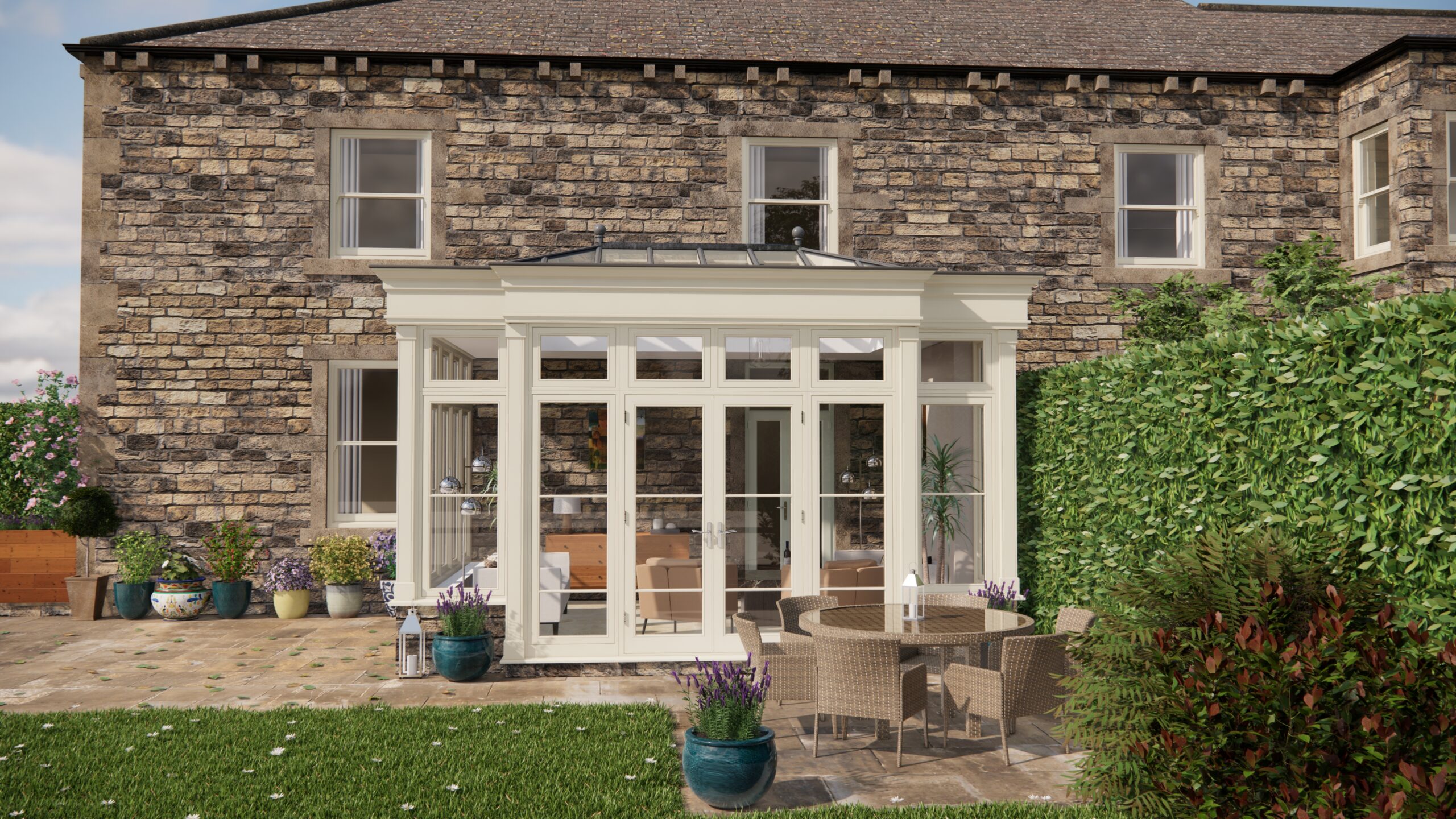
Right, let’s talk orangery glazing! I recently sat down with Henry, a proper expert in listed building renovations, to pick his brains about upgrading glazing in these gorgeous structures, especially when they’re part of a listed building. Trust me, it’s trickier than just popping down to B&Q for some new glass.
The Listed Building Conundrum
“The biggest challenge,” Henry started, sipping his tea, “is always balancing conservation with the homeowner’s desire for a warm, comfortable space.” He’s spot on. You’ve got strict conservation guidelines to adhere to, meaning you can’t just slap in any old double glazing. It’s all about maintaining the building’s original character.
He explained that the first step is always to consult with a conservation officer. They’ll have the final say on what’s acceptable. “Get them on board early,” Henry stressed. “It saves a lot of headaches later.”
Heritage Glazing: A Respectful Solution
So, what are the options? Heritage glazing is a popular choice. This is essentially single glazing, but made with very thin glass. Because it’s thin it looks more like the original glass, but you can use special putty that looks period correct but has superior performance to retain its performance for much longer.
“It’s not as thermally efficient as modern double glazing,” Henry conceded, “but it’s a significant improvement over the original glass and is far more sympathetic to the building’s aesthetic.” It usually involves replacing the entire window unit, frame and all, ensuring everything matches the existing style perfectly.
Vacuum Glazing: The High-Tech Option
Then there’s vacuum glazing. This is where things get interesting. It’s essentially two panes of glass with a vacuum in between. This vacuum acts as an incredibly effective insulator.
“It’s a relatively new technology, but it’s proving to be a game-changer,” Henry enthused. “It offers excellent thermal performance without significantly altering the appearance of the window.” The downside? It can be expensive, and it’s crucial to find a specialist installer who understands the nuances of working with listed buildings.
Other Sympathetic Solutions
Henry also mentioned secondary glazing – adding a second layer of glass to the inside of the existing windows. This is a less intrusive option and can significantly improve thermal and acoustic performance. It’s also a fully reversible option. The type of putty to be used is critical to preserve the appearance of the glass and improve performance.
He also highlighted the importance of proper draught-proofing. “Even the best glazing won’t make a difference if you’ve got draughts whistling through the frame.” He recommended using flexible sealant that expands and contracts with the window frame to avoid damaging it.
Beyond Glazing: A Holistic Approach
Of course, glazing is just one piece of the orangery puzzle. We also touched on materials (matching the existing property is key), heating (underfloor heating is often a good option), and ensuring the structure is secure and damp-proofed. It’s a whole package to consider.
Planning and Building Regulations
Henry reminded me that planning permission is almost always required for orangeries, especially on listed buildings. Building regulations also apply, particularly regarding energy efficiency and structural integrity. Navigating these regulations can be tricky, so it’s wise to enlist the help of an architect or building surveyor who specialises in listed buildings.
Optimal Design for Orangeries
Thinking about orangery glazing means looking at the big picture – what type of glass fits the style, whether to consider heritage or vacuum options, and how important thermal performance is to the project. All must comply with the local conservation guidelines. Getting the order of play correct is important and the first step is to consult with conservation officer.