Right, let’s talk pathways. I was just chewing the cud with my neighbour, Abbie, about her recent garden renovation, specifically the winding path she’s put in. It got me thinking about all the things we feature on ‘Garden Gems UK’ regarding landscaping and hardscaping, particularly pathways. Abbie’s always been a keen gardener, but her recent project has taken her garden to a whole new level.
“So, Abbie,” I began, armed with my notebook and a cuppa, “tell me all about this path. What made you decide to put one in?”
She laughed. “Well, apart from the fact that I was constantly traipsing mud through the house after it rained, I really wanted to encourage people to explore the garden more. It felt like everyone just stuck to the patio.”
And that’s the first thing we often emphasise: functionality. A pathway isn’t just decorative; it’s a practical solution. Think about where you naturally walk in your garden. Where do you need access? The shed? The vegetable patch? A secluded seating area?
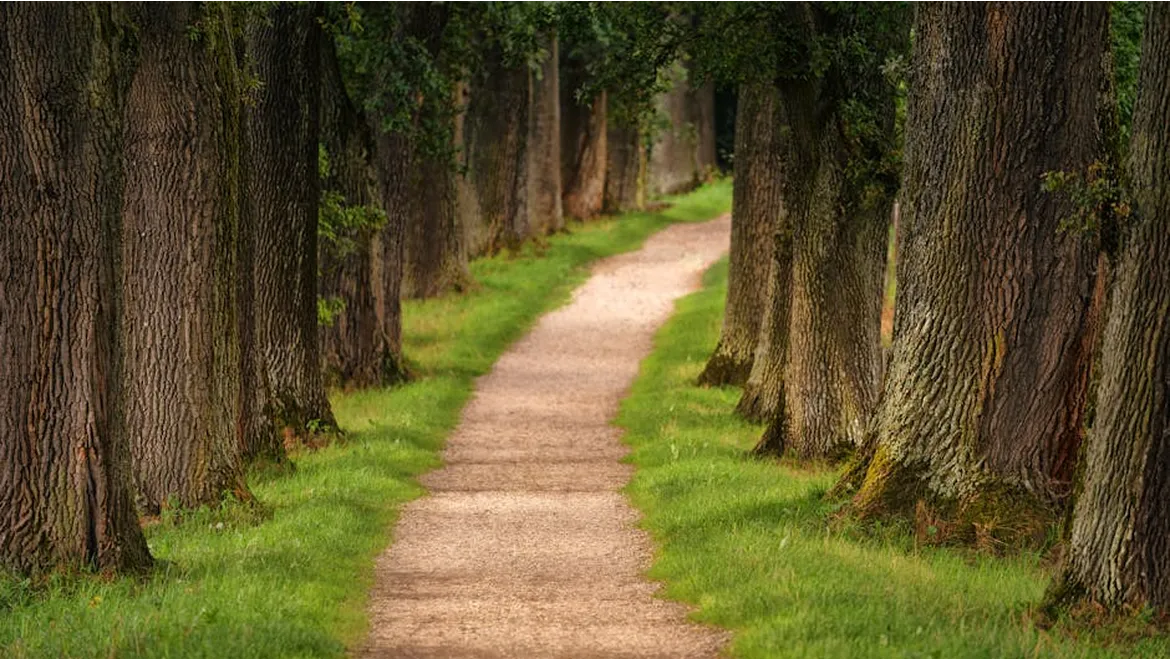
Abbie’s answer also highlighted the secondary need to design paths for discovery. She opted for a meandering route, partially obscured by planting, so you only see snippets of what’s around the corner. It creates a sense of intrigue. We often recommend using contrasting borders – think low-growing lavender, vibrant heathers, or even just neatly trimmed box hedging – to define the path and add visual interest.
“What about materials?” I asked. “I know you were agonizing over gravel versus paving slabs for weeks!”
“I did! In the end, I went for a combination,” she admitted. “The main path is gravel, because it was more cost-effective and suited the cottage garden style I was aiming for. But I used stepping stones across the lawn to reach the rose garden. It feels more whimsical.”
And she’s spot on. Material choice is key. Gravel is great for informal gardens, but needs edging to prevent it from spreading. Stepping stones are perfect for breaking up expanses of lawn. Paving slabs offer a more formal look and are ideal for high-traffic areas. Brick, especially reclaimed brick, can add a touch of rustic charm. It all depends on the overall aesthetic of your garden and your budget.
Of course, Abbie’s project wasn’t without its challenges. “The biggest headache was the drainage,” she confessed. “The first heavy rain and the gravel path turned into a swamp!”
This is crucial. Proper drainage is essential for a long-lasting, mud-free pathway. We always advise excavating the area to a depth of at least 15cm, laying a compacted layer of hardcore (MOT Type 1 is ideal), followed by a layer of sharp sand, before finally adding your chosen surface material. This allows water to drain away freely.
“And what about weeds?” I enquired, knowing Abbie’s aversion to anything green that she didn’t plant herself.
“That’s where the membrane came in! I laid a weed-suppressant membrane beneath the gravel, and it’s been a lifesaver.”
Weed control is paramount. A good quality weed membrane is an investment worth making. Also, consider using a stabilising grid system under gravel pathways; these prevent the gravel from shifting and compacting, making it harder for weeds to take hold. And of course, regular weeding is essential, no matter what preventative measures you take.
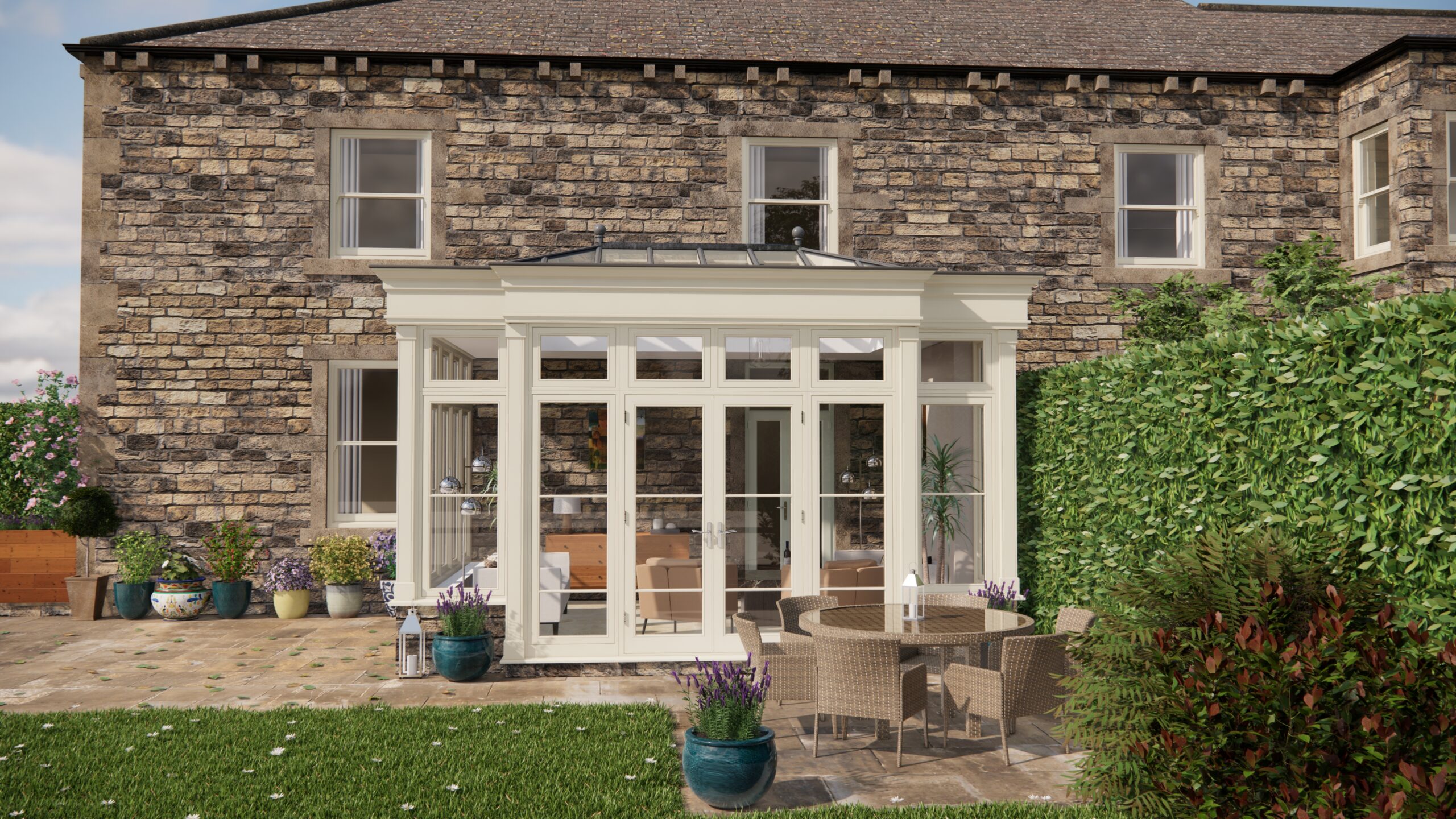
Finally, we discussed how an orangery can enhance the entire garden experience, something we often cover on Garden Gems. Abbie, having seen a stunning one at a garden show, dreams of one day having her own leading directly onto her beautiful pathway, creating a seamless transition between indoor and outdoor spaces. She mentioned that she likes how we cover design trends and problem-solving ideas, and that gives her the confidence to tackle her own garden projects.
In a nutshell, creating a beautiful and functional garden pathway involves careful planning, considering the style of your garden, choosing appropriate materials, ensuring adequate drainage, and implementing effective weed control. By combining practicality with creative design, you can transform your garden into a truly inviting space for exploration and enjoyment. Much like Abbie has!