Right, settle in, grab a cuppa! I had a fascinating natter with my mate Joe the other day about… well, about the sheer joy of a good garden article, actually. We both devour anything to do with UK gardens, from landscaping tips to battling slugs. But the conversation kept circling back to water features, specifically ponds. See, I’ve been pondering one for ages, and Joe’s already taken the plunge (pun intended!). He practically lives outdoors now, watching the wildlife thrive around his little oasis.
It all started when I was moaning (again!) about the lack of ‘oomph’ in my garden. “You need a pond, mate,” Joe declared, mid-biscuit dunk. “Seriously, read up on ‘The Tranquil Pond: Creating a Wildlife Haven in Your UK Garden’. Changed my life.”
So, naturally, I went straight home and Googled it (or something very similar!). The more I read, the more I understood what Joe was raving about. It wasn’t just about pretty water lilies (though they are gorgeous, aren’t they?). It was about creating a whole ecosystem, attracting frogs, dragonflies, and all sorts of birds. Turns out, even a small pond can have a huge impact.
“Design’s key, you see,” Joe explained when I grilled him about his own setup. “Think about sun and shade. You don’t want the whole thing baked all day, or you’ll be battling algae like it’s World War Three.”
He’s right. The article stressed considering sunlight exposure. Aim for a spot that gets a mix of both, ideally about 4-6 hours of direct sunlight. This is crucial for plant growth, but too much sun can lead to those dreaded algae blooms. Joe recommended reading up on native UK pond plants. He’s got a mix of water lilies (for the depth), irises around the edges (for colour and support), and a bunch of marginal plants like marsh marigolds. Apparently, they’re brilliant for creating a natural transition from the pond to the rest of the garden and for providing cover for wildlife.
“Depth is important too,” I remembered from my research. You can’t just dig a shallow puddle and expect a thriving ecosystem. The ideal pond should have varying depths. A shallow shelf (about 15-20cm deep) is perfect for marginal plants, while a deeper area (around 60-80cm) provides a refuge for wildlife in winter and helps to prevent the pond from freezing solid. This deeper area also gives amphibians a place to retreat from predators.
Algae. That word hung in the air like a bad smell. “Right, what’s the secret?” I asked. Joe laughed. “No secret, mate, just balance! Good plant coverage helps use up the nutrients that algae thrive on. And a pump with a filter will keep the water moving and clear.”
The articles I was reading also echoed this, emphasising the importance of a balanced ecosystem. A healthy pond is self-regulating, with plants competing with algae for nutrients. Introduce oxygenating plants, like hornwort or elodea, to further help combat algae and provide oxygen for aquatic life. Regular removal of decaying leaves and debris is also essential.
Joe’s got a fancy filter system, but he swears by barley straw too. Apparently, it releases a natural chemical that inhibits algae growth. You can buy it in bales or as an extract. It’s a natural and relatively inexpensive way to keep your pond clean.
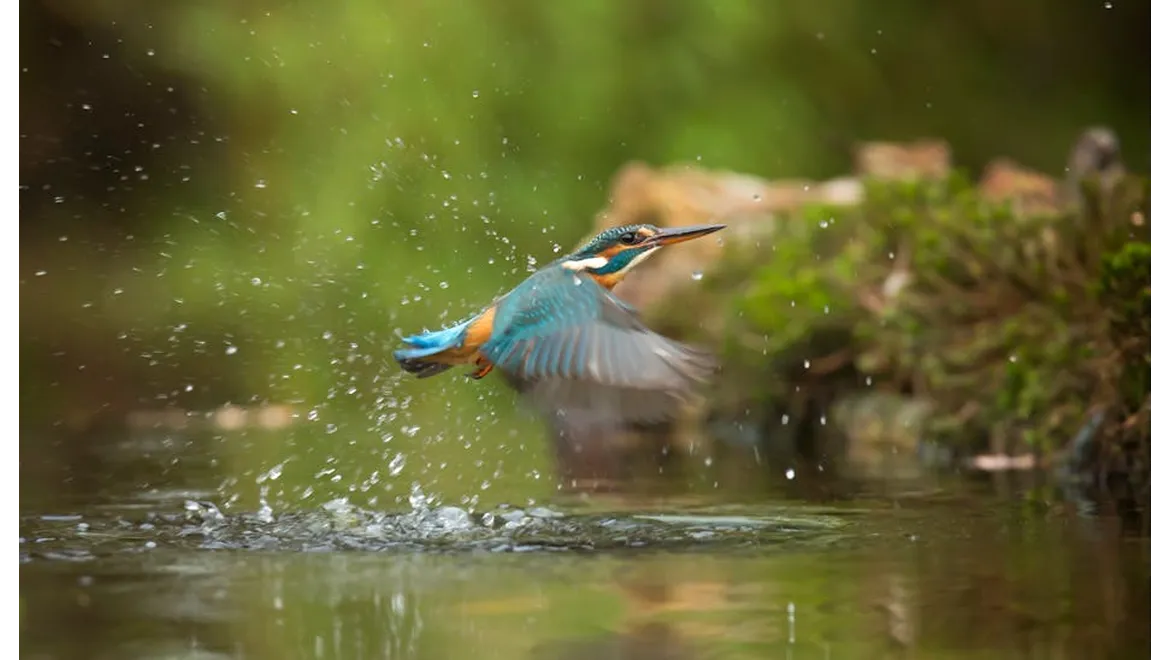
But the best bit, according to Joe, is just watching the wildlife. “Honestly,” he said, his eyes gleaming, “I saw a dragonfly laying eggs the other day! And the frogspawn… It’s just incredible.”
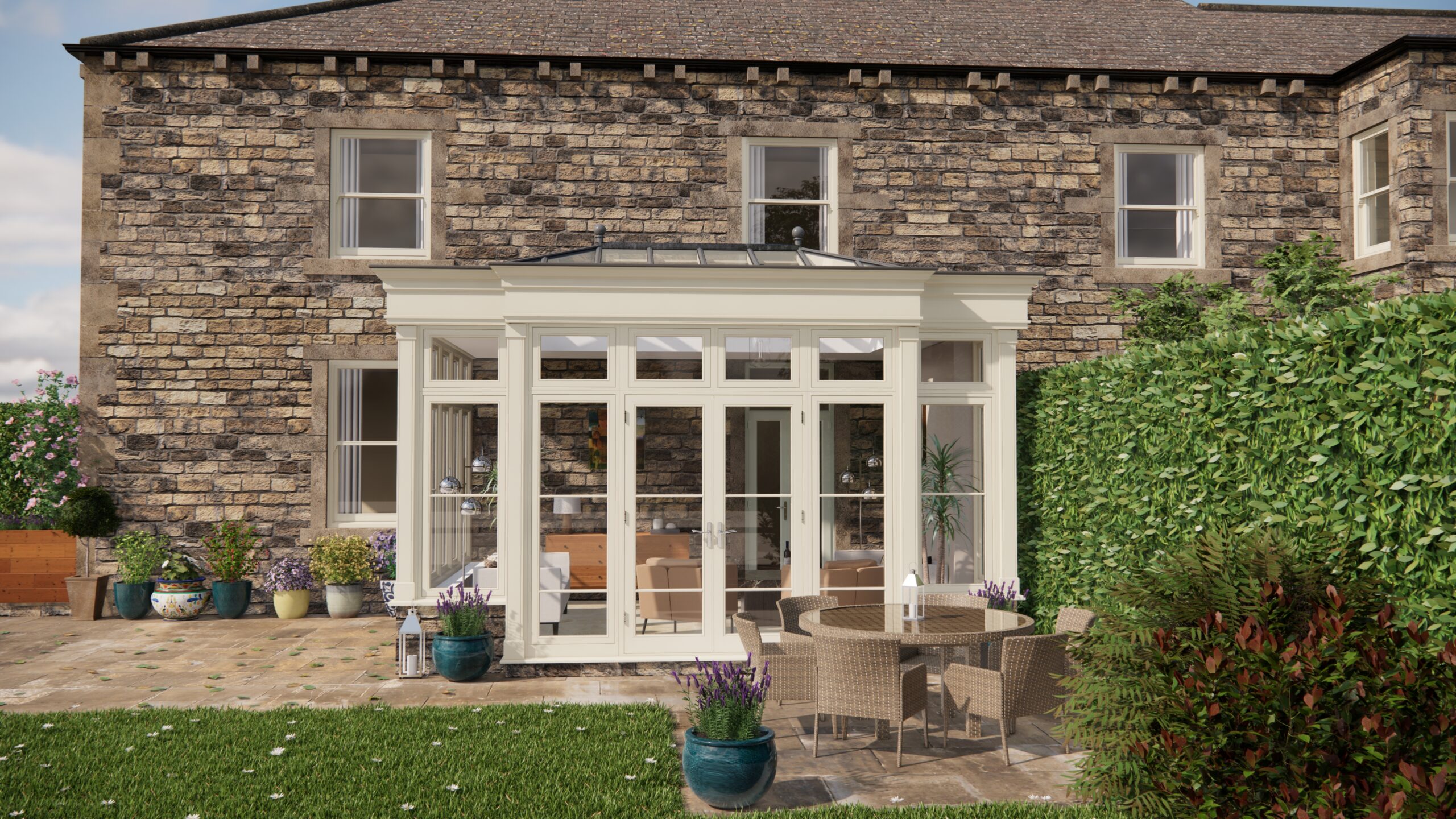
He also mentioned how the pond transformed his enjoyment of his orangery, which he also installed after reading an article. The addition of the pond created this amazing visual link between the inside and outside space. He now spends hours just looking out, watching the birds come to bathe and drink. I could see, by his enthusiasm, why so many articles focus on features like orangeries. They’re not just about adding value to your house; they’re about enhancing the whole experience of your garden.
Our chat covered everything: different types of garden structures, pergolas for climbing plants, arches creating focal points… It all boiled down to creating a space you love to be in. For Joe, the pond was a game-changer. For me, it’s definitely moved from the ‘maybe someday’ to the ‘definitely happening’ list. The joy of finding inspiration through these articles, then making it your own… that’s what it’s all about, isn’t it? Thinking about what Joe and the articles mentioned, balancing plant life, depth, filtration and proper maintenance will all culminate in a perfect self-regulating wildlife haven right outside my back door.