Right, let me tell you about this fascinating chat I had with William the other day. We were chewing over the latest trends in wellness and home spaces, particularly articles focused on carving out little havens for relaxation and exercise, the sort of thing we all crave these days. He’d been experimenting with creating his own ‘DIY Sensory Retreat’ and I was eager to pick his brains.
“So William,” I started, pouring us both a cuppa, “I’ve been reading about the psychology of calm spaces – things like incorporating nature and minimising distractions. What’s your take?”
He launched into a detailed description. “Well, I wanted to create somewhere I could actually unwind, without needing a second mortgage. The articles highlighting budget-friendly sensory spaces really resonated. For me, it started with decluttering. Honestly, just getting rid of all the visual noise was a game-changer. Think calming colours, minimal furniture, and everything having its place.”
“Decluttering is key!” I agreed. “It’s amazing how much mental space it frees up. But what about the sensory stuff? The textures, scents, and sounds?”
That’s where William got really interesting. He said, “Okay, so textures first. I bought a couple of inexpensive woven throws from a discount shop. The chunky knit gives such a lovely tactile feel. Then, I found some textured cushions – nothing fancy, just different fabrics like corduroy and velvet on a budget. They invite you to touch and sink in.
“And scents?” I prompted.
“Essential oils, definitely. Lavender for relaxation, citrus for a little energy boost. I have a little diffuser, but even a few drops on a radiator works wonders. The articles mentioned using natural scents too – fresh herbs like mint or rosemary on a sunny windowsill. It’s such a simple way to bring the outdoors in.”
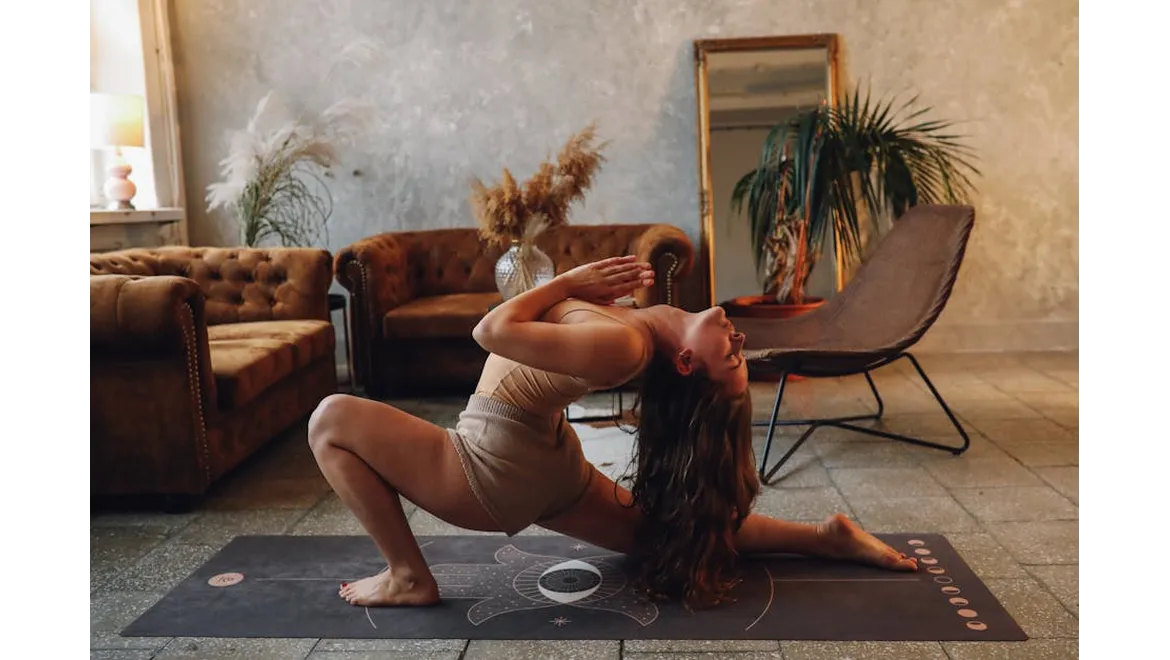
He continued, “For sounds, I’m a big fan of nature soundscapes. There are loads of free apps and playlists online with birdsong, rain, or gentle waves. I also invested in a cheap Bluetooth speaker so I can put some yoga on and follow some exercises when i have the time. Yoga’s become a real go-to for stress relief, and doing it at home is so convenient. I’ve even seen some tips on adapting exercises for different ages and abilities.”
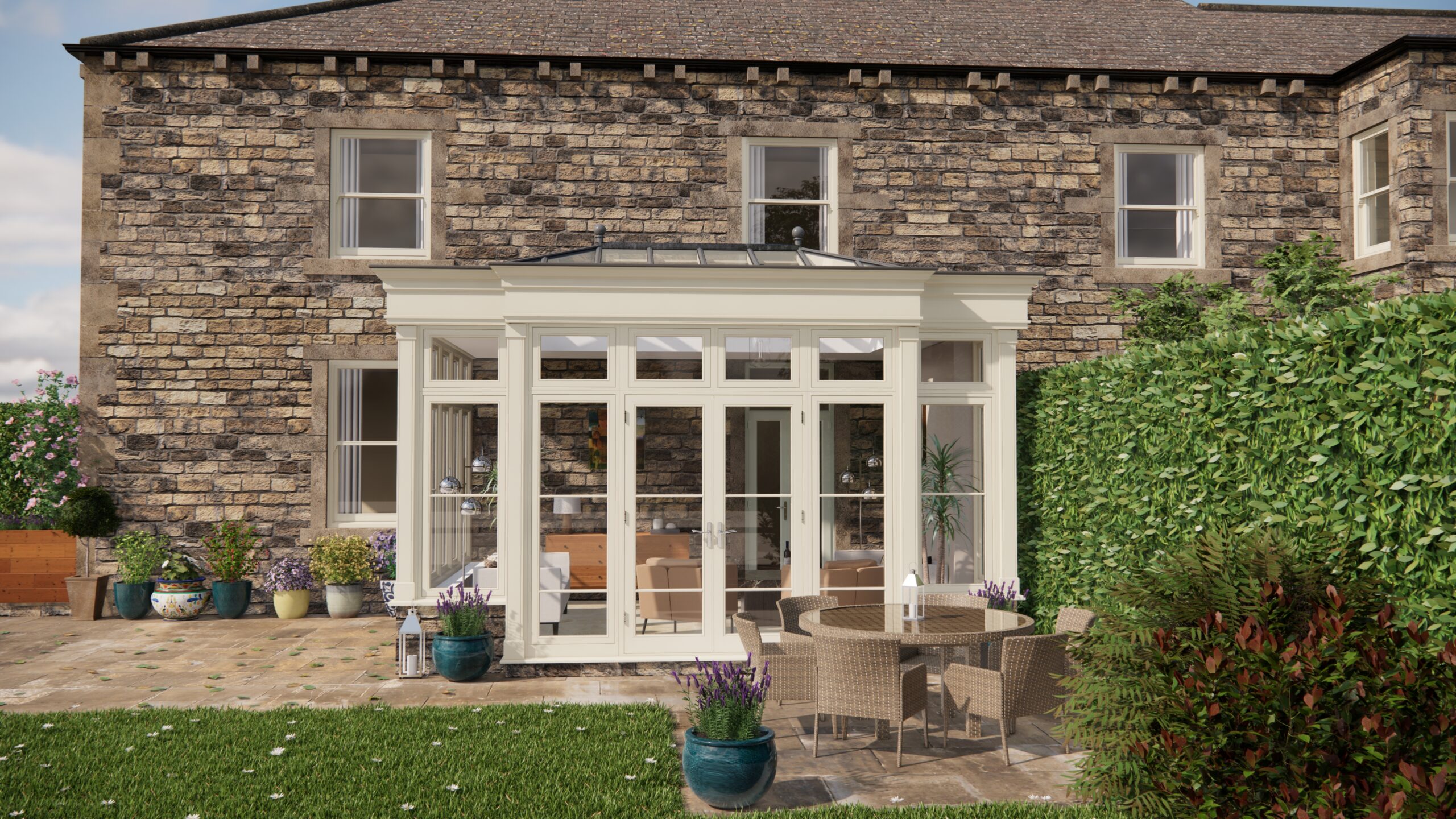
That reminded me about orangeries. “Have you ever considered a space like an orangery, William? All that natural light and connection with the garden feels like the ultimate relaxation zone.”
William’s eyes lit up. “That’s the dream, isn’t it? A space dedicated to bringing the outside in. For now, I’m making do with house plants. I’ve got a few peace lilies and snake plants – apparently they help purify the air. Plus, looking after them is quite therapeutic in itself. The articles stressed the importance of biophilic design, the whole idea of connecting with nature, even in small ways.”
“And distractions?” I asked. “How do you minimize those?”
“That was tough at first,” he admitted. “But I’ve started putting my phone on ‘Do Not Disturb’ when I’m in my sanctuary. No notifications, no emails, no social media. Also, I make sure the space is clearly defined. It’s not the place where I work or watch TV; it’s specifically for relaxation. It sets the intention.”
“I’ve read that lighting plays a huge part too,” I added. “Soft, warm light is supposed to be more conducive to relaxation than harsh, bright light.”
“Absolutely!” William confirmed. “I swapped out my overhead light for a dimmer switch and added a couple of lamps with soft, warm bulbs. And candles, of course. They create such a lovely atmosphere.”
Before we wrapped up our chat, William emphasised the importance of personalising the space. “It’s not about copying someone else’s sanctuary; it’s about creating something that works for you. What makes you feel calm and relaxed? Incorporate those elements. For me, it’s the textures and the natural scents. For someone else, it might be something completely different.”
From my chat with William, the key takeaways about crafting a budget-friendly sanctuary are clear. Start with decluttering and focus on your senses. Utilise inexpensive textures like throws and cushions. Employ essential oils and natural scents. Use nature sounds and soft lighting. Critically, though, minimising distractions is key – put your phone away and define the space’s purpose. Remember this space is for your relaxation, use what suits you to create your sanctuary.