Right, so I’ve been neck-deep in orangery construction articles lately, and honestly, the glazing section can be a bit… opaque (pun intended!). To get a clearer picture, I grabbed a cuppa and had a chat with Sebastian, a proper orangery design guru, to get his take. We focused on glazing – specifically, how to choose the right glass for performance and aesthetics.
Choosing the Right Glass: Beyond Just Seeing Through It
“It’s easy to think glass is just… glass,” Sebastian started, swirling his tea. “But it’s so much more complex, especially when you’re aiming for both energy efficiency and a seamless blend with the original building.” He explained that the first consideration is thermal performance. Modern orangeries aren’t just pretty; they need to be comfortable year-round. Low-E (low-emissivity) glass is key here. It reflects heat back into the room in winter and keeps the heat out in summer. Sebastian recommended checking the U-value of the glass. “The lower the U-value, the better the insulation properties,” he stated.
He also emphasised the importance of considering the G-value, which indicates how much solar heat the glass lets in. In the UK, a balance is needed; you want some solar gain in winter but not so much that it overheats the orangery in summer. Argon-filled double or triple glazing is the next step for increased performance. Sebastian recommended speaking to a glazing expert to get the right blend of U-Value and G-Value for your particular property.
Aesthetic Harmony: Matching Glazing to Your Home’s Style
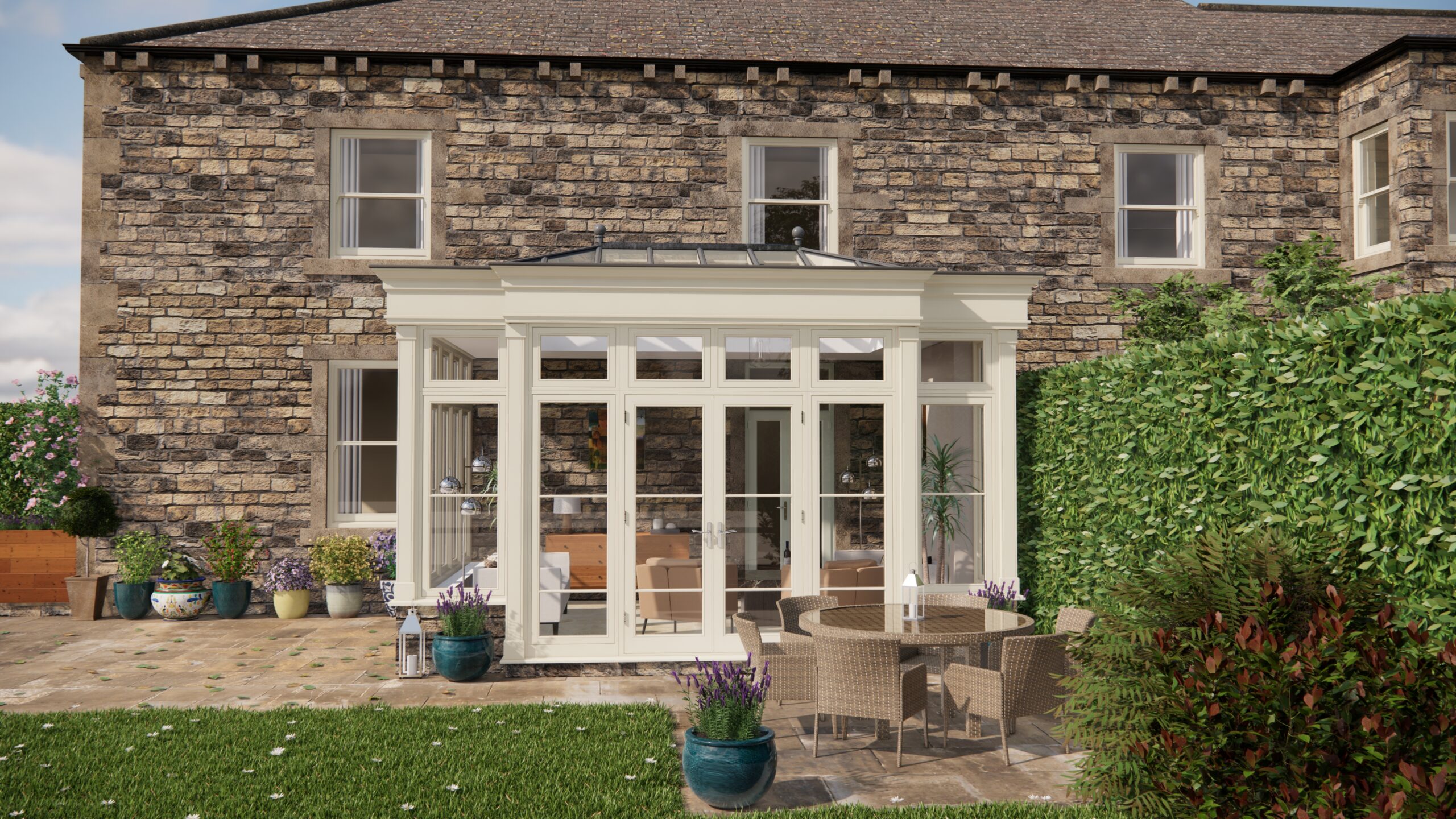
“Aesthetically, the glazing needs to sing in harmony with the existing house,” Sebastian explained, picking up a design sketch. “Consider frame styles, glazing bars, even leaded lights.” He pointed out that a modern, minimalist house might suit frameless or slimline glazing, while a period property might benefit from traditional timber frames and glazing bars. We discussed how Georgian properties often feature delicate glazing bars in a grid pattern, whilst a Victorian villa might incorporate stained or leaded glass panels. He recommended taking photographs of your windows and doors and comparing them against glass examples.
Frame Materials: A Balancing Act
We then moved on to the frames themselves. Timber is classic and offers excellent insulation but requires more maintenance. Aluminium is durable and low-maintenance but can be less thermally efficient (unless you opt for thermally broken aluminium). UPVC is a budget-friendly option but might not be suitable for listed buildings or period properties due to its less authentic appearance. Sebastian’s advice was to weigh up the pros and cons of each material based on budget, style preferences, and the age/status of the property. You need to make an informed decsision based on the materials used in the existing building.
Detailing: Glazing Bars, Leaded Lights, and More
Sebastian also emphasised the importance of detailing. “Glazing bars can add character and authenticity, but make sure they’re in proportion to the window size and the overall style of the orangery,” he cautioned. “Leaded lights can be beautiful, but they need to be carefully chosen to complement the existing architecture.” He pointed out that coloured glass can add a unique touch but should be used sparingly to avoid clashing with the surrounding environment. He also touched on self cleaning glass, a modern innovation that can save a lot of work.
Security and Damp Proofing Considerations
Whilst we were talking glazing, we briefly touched on security. Laminated glass is a great option for ground-floor windows, as it’s much harder to break through. Also, making sure the glazing is correctly sealed is vital for damp-proofing. Poorly fitted or damaged seals can let in water, which can damage the structure of the orangery and lead to damp problems inside. Sebastian recommended using a reputable installer who is experienced in orangery construction to ensure that the glazing is fitted correctly and securely.
So, Where Does That Leave Us?
Choosing the right glazing for your orangery is a balancing act. You need to consider thermal performance, aesthetic harmony with your existing home, the pros and cons of different frame materials, and the importance of detailing. Taking the time to get it right will ensure that your orangery is not only beautiful but also comfortable, energy-efficient, and a seamless addition to your property. Remember to consult with professionals to ensure that you are making informed decisions that align with your budget, style preferences, and any planning requirements.