
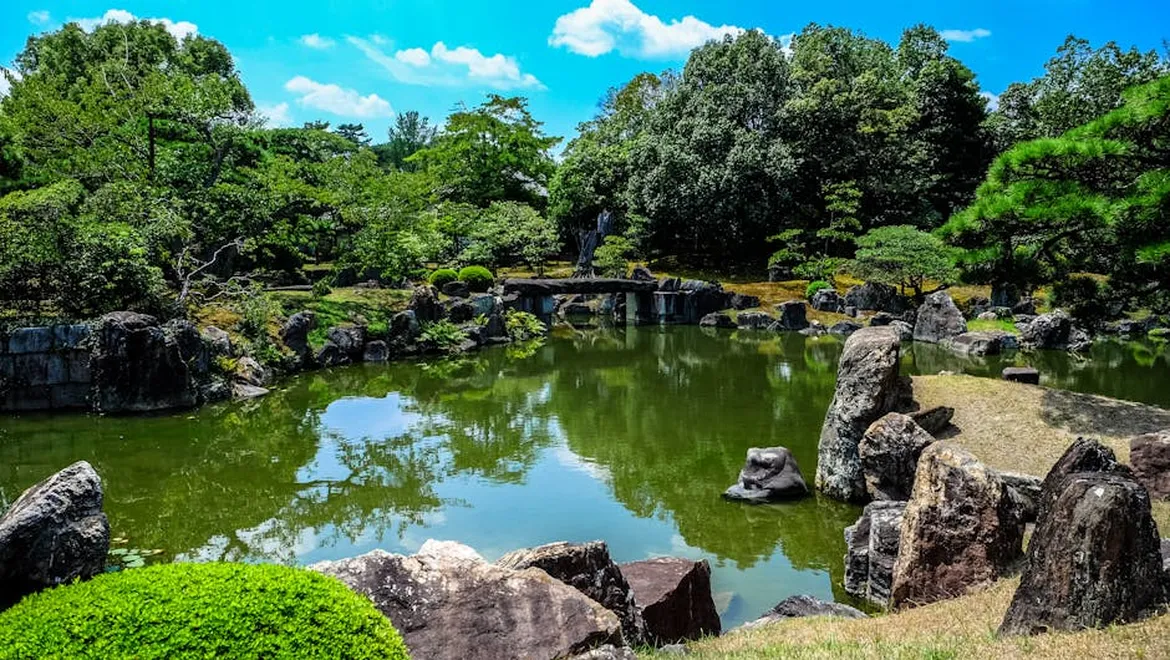
Hello, fellow garden enthusiasts! Here at ‘Gardens of Delight’, we’re all about making the most of our outdoor spaces, especially those tranquil water features. And what’s a garden more magical than the gentle sounds of water burbling through a pond or fountain? But let’s be honest, keeping these watery wonders pristine in the UK’s, shall we say, variable climate, can be a bit of a challenge. So, I sat down with Keira, a seasoned water garden guru, to unlock the secrets to crystal-clear water and happy aquatic life. Grab a cuppa, and let’s dive in!
“Keira, thanks so much for chatting with me. First off, what’s the biggest mistake people make when it comes to water feature maintenance?”
Keira smiled. “Definitely neglecting the regular stuff! Everyone’s excited when they first get their pond or fountain, but the novelty can wear off. Regular maintenance is key to prevent major headaches down the line.”
Algae: The Green Menace (and How to Beat It!)
“So, algae – our common foe. What’s your go-to strategy?”
“Prevention is better than cure,” Keira stated firmly. “Too much sunlight fuels algae growth, so consider partially shading your pond with strategically placed plants or a shade sail, especially during the peak summer months. Barley straw is also a fantastic, natural solution. Pop a barley straw bale in a mesh bag and let it float in the water. As it decomposes, it releases chemicals that inhibit algae growth. You can buy these at most garden centres that have an aquatic department. Don’t expect instant results; it takes a few weeks to kick in.”
She went on to say “For existing algae blooms, manual removal is your friend. Use a net or pond vacuum to scoop out the string algae. Pond vacuums are particularly useful for removing sludge and debris from the bottom without draining the pond. If all else fails, there are chemical algae treatments available, but use them sparingly and always follow the instructions carefully. Consider the impact on your fish and plants.”
Debris and Decomposers: Keeping Things Clear
“Okay, algae sorted (hopefully!). What about all the leaves and other debris that inevitably end up in the water?”
“Autumn in the UK is beautiful, but it’s a nightmare for ponds!” Keira laughed. “Netting over the pond during autumn is essential to catch falling leaves. Regularly skimming the surface with a net is also a must. Decaying organic matter releases harmful substances and contributes to algae growth.”
“And what about the ‘gunk’ at the bottom?”
“That’s where beneficial bacteria come in,” Keira explained. “These are your underwater cleaning crew! They break down organic waste. You can buy bacteria treatments specifically for ponds; just add them according to the instructions. A good filter system also helps to remove solid waste and improve water clarity.”
Filters and Pumps: The Heart of the System
“Speaking of filters, what’s your advice on keeping them running smoothly?”
“Regular cleaning is vital! Check your filter at least once a month, more often during peak season. Rinse the filter media in pond water (never tap water, as it will kill the beneficial bacteria). Replace UV bulbs annually to maintain their effectiveness in controlling algae. Regarding pumps, check them regularly for debris that might be clogging them. Remove any snails or plant matter that may have become lodged inside. A clogged pump will strain and eventually fail.”
Winter Woes (and How to Avoid Them)
“Winter is tough on everything, including water features. What are your top tips for winterising?”
“If you have fish, ensure the pond doesn’t freeze over completely. A pond heater or even a floating ball will create a hole for gas exchange. Stop feeding the fish when the water temperature drops below a certain level (check with your local aquatic centre), as their metabolism slows down. Disconnect and store pumps and filters indoors to prevent them from freezing and cracking. If you have a fountain, drain it completely to prevent frost damage.”
She finished with “Remember to add de-icer to your pond during the winter, this will ensure the water feature doesn’t freeze over completely”
So, there you have it – Keira’s wisdom distilled into a few actionable steps. Remember, regular maintenance, algae control, debris removal, filter cleaning, and winter preparation are key to a thriving water feature. Don’t be intimidated – once you get into a routine, it becomes second nature. A little effort will reap rewards of a beautiful, relaxing water feature for you to enjoy for years to come.