Right, grab a cuppa, because I had a fascinating chat with my mate Harry the other day about making our homes truly accessible wellness spaces. You know, those sanctuaries we dream of for yoga, meditation, or just unwinding after a long day. The thing is, creating these spaces shouldn’t exclude anyone. We talked specifically about how to adapt them for people with disabilities, age-related limitations, or even specific health needs – without breaking the bank.
“It’s all about smart DIY, isn’t it?” Harry started, leaning back in his chair. “You don’t need to remodel the entire bathroom to make it more accessible.” And he was spot on. We dug into some affordable, DIY accessibility projects that can make a huge difference in a home wellness area.
Grab Bars: Your Steady Support
First up, grab bars. Seriously, these are game-changers, especially in bathrooms or near exercise mats where balance is crucial. Harry’s got a knack for DIY, so he walked me through it.
- Sourcing: “Forget the fancy, chrome-plated ones initially,” he advised. “Head to a builders’ merchant, find sturdy stainless steel pipes. They’re significantly cheaper.” You can also look at reputable online retailers known for accessible living aids. Look for grab bars certified to meet relevant safety standards.
- Installation: “The key is the fixing,” Harry stressed. “You need to anchor them into wall studs. A stud finder is your best friend here.” If you’re unsure about finding studs, consider hiring a handyman. Safety first! Ensure that the fixings are suitable for the type of wall you have (plasterboard, tile, etc.). Use appropriately sized screws and consider using toggle bolts or other heavy-duty anchors for added security, especially if the user has a higher bodyweight.
- Placement: Think about where the support is needed most – beside the toilet, inside the shower, or near the yoga mat. Experiment with positioning before drilling. A good height for a grab bar is typically 33-36 inches from the floor.
Raised Toilet Seats: Comfort and Dignity
Next, we moved onto raised toilet seats. This is a simple adaptation that can significantly improve comfort and independence for those with mobility issues.
- Options: Harry explained the two main types: “You’ve got the standalone raised seats, and then the ones with arms. The arms can be really helpful for people who need extra support getting up and down.” Choose the option that best suits the individual’s needs and preferences.
- Installation: Most raised toilet seats are straightforward to install. They usually clamp onto the existing toilet bowl. Make sure to follow the manufacturer’s instructions carefully to ensure a secure fit. If possible, consider models with locking mechanisms to prevent movement during use.
- Budget Tip: Keep an eye out for sales and discounts at medical supply stores. Sometimes you can find great deals on slightly older models.
Adapted Storage Solutions: Everything Within Reach
Then there’s storage. Reaching for towels, toiletries, or exercise equipment shouldn’t be a struggle.
- Lower Shelving: “Simple things, like lowering a shelf or two, can make a massive difference,” Harry said. “Suddenly, everything’s within reach.”
- Pull-Out Baskets: These are fantastic for storing items under sinks or in cupboards. They bring everything forward, eliminating the need to bend or strain. You can find affordable wire or plastic pull-out baskets at most home improvement stores.
- Lever Handles: Changing doorknobs to lever handles is another easy fix. They require less grip and are much easier to use for people with arthritis or limited hand strength.
- Mobile Storage: Think about trolleys and carts for moving exercise equipment or towels around the wellness space. This reduces the need for carrying heavy items and minimizes the risk of falls.
Yoga and Wellness for All Ages
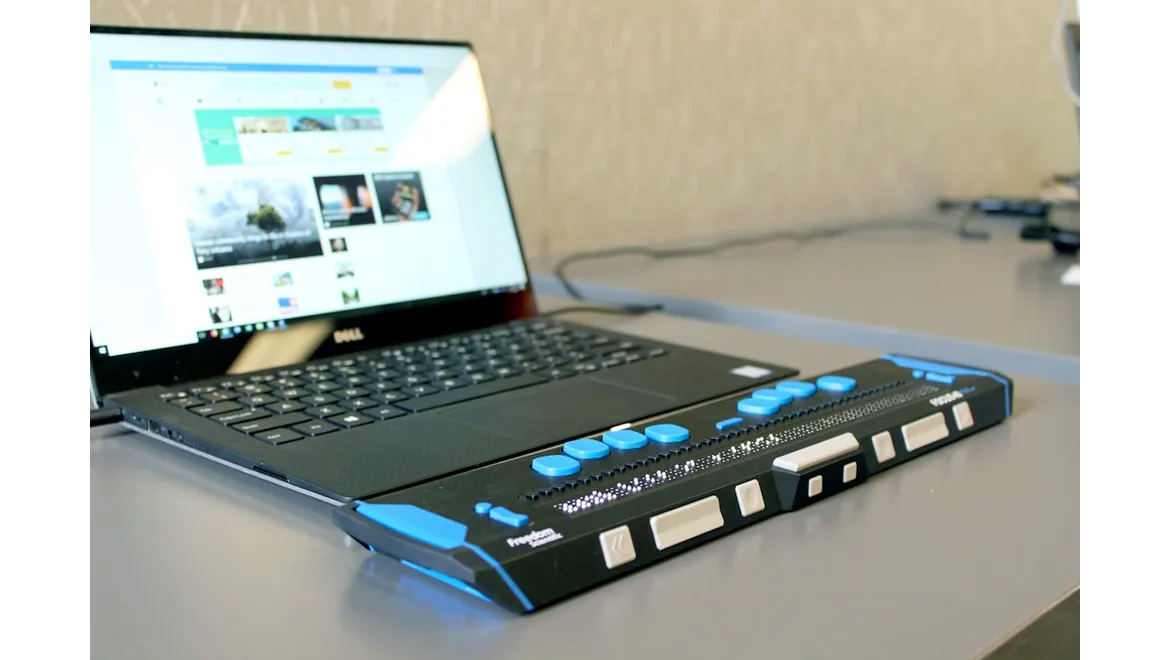
We then started talking about yoga and similar activities at home. Think about it: yoga, meditation, even light stretching – these are fantastic for physical and mental wellbeing. But how can we make them accessible to everyone? Think larger print posters, easy to handle aids and tactile guides for positions for someone who has a visual impairment.
- Modifications: “It’s all about modifications,” Harry emphasised. “Chair yoga, using blocks or straps, adapting poses to suit individual needs. There are loads of resources online with tailored routines.” Look for instructors who specialise in accessible yoga or adaptive fitness classes. Consider online platforms or DVDs that offer modifications for various abilities.
- Space: Ensure there’s plenty of clear space for movement, free from obstacles. Consider the flooring. Non-slip surfaces are essential to prevent accidents. If using a yoga mat, choose one with good grip and thickness for added comfort and support.
Orangeries and Wellness:
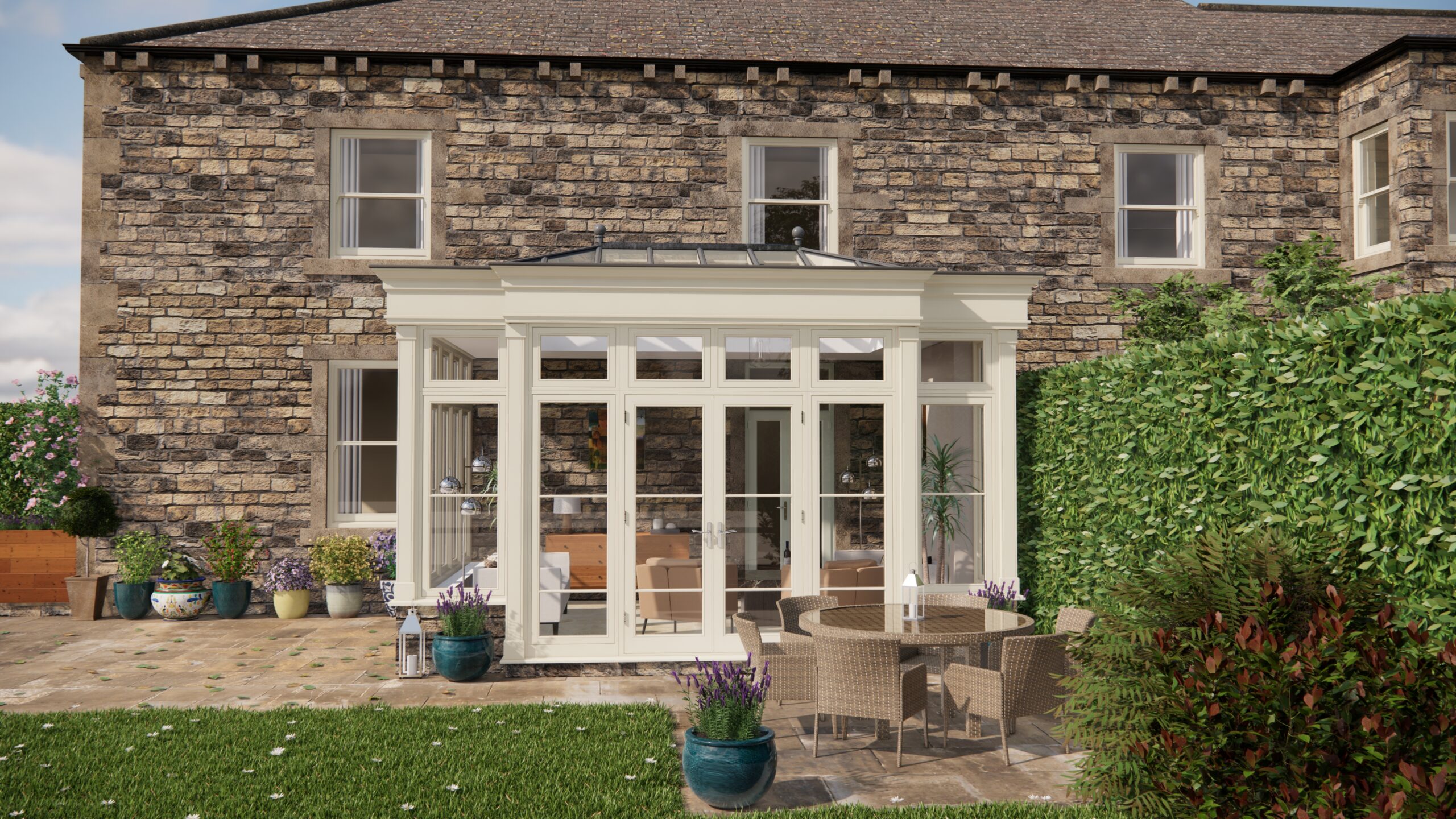
“An orangery would be the dream though, eh?” Harry added, grinning. And he’s right. The natural light, the connection to nature – it would definitely enhance any wellness activity. Natural light can impact mood and hormone production.
* Accessibility Features: But of course, even an orangery needs to be accessible. Ramps instead of steps, wide doorways, and accessible landscaping are all things to consider.
* Temperature Control: Orangeries can get hot in the summer and cold in the winter, so proper insulation and ventilation are crucial for comfortable year-round use. Consider adding blinds or shades to control the amount of sunlight entering the space.
So, what did I take away from my chat with Harry? Creating an accessible home wellness space isn’t about expensive renovations. It’s about thoughtful adaptations, smart DIY, and prioritising safety and comfort. Simple things like grab bars, raised toilet seats, adapted storage, and accessible yoga routines can make a huge difference in promoting wellbeing for everyone. And while an orangery would be lovely, the real key is to create a space that’s inclusive, supportive, and tailored to individual needs.