Right, let’s delve into the captivating world of orangeries and outbuildings, shall we? Specifically, I’ve been scratching my head about how these structures have evolved through time. Luckily, I managed to nab some time with Emma, a seasoned architectural historian, and she was a treasure trove of information. Grab a cuppa, and let’s get started.
From Citrus Havens to Versatile Spaces
My first question for Emma was straightforward: what’s the big difference between an orangery built in the 17th century and one built today? “Well,” she began, leaning back in her chair, “initially, orangeries were solely for protecting citrus trees during the colder months. Think of them as glorified greenhouses for the elite. The design reflected that – massive south-facing windows, thick stone walls on the north side for insulation, and minimal ornamentation.” She explained that the orangery, in its earliest form, was a statement of wealth, designed to protect exotic produce.
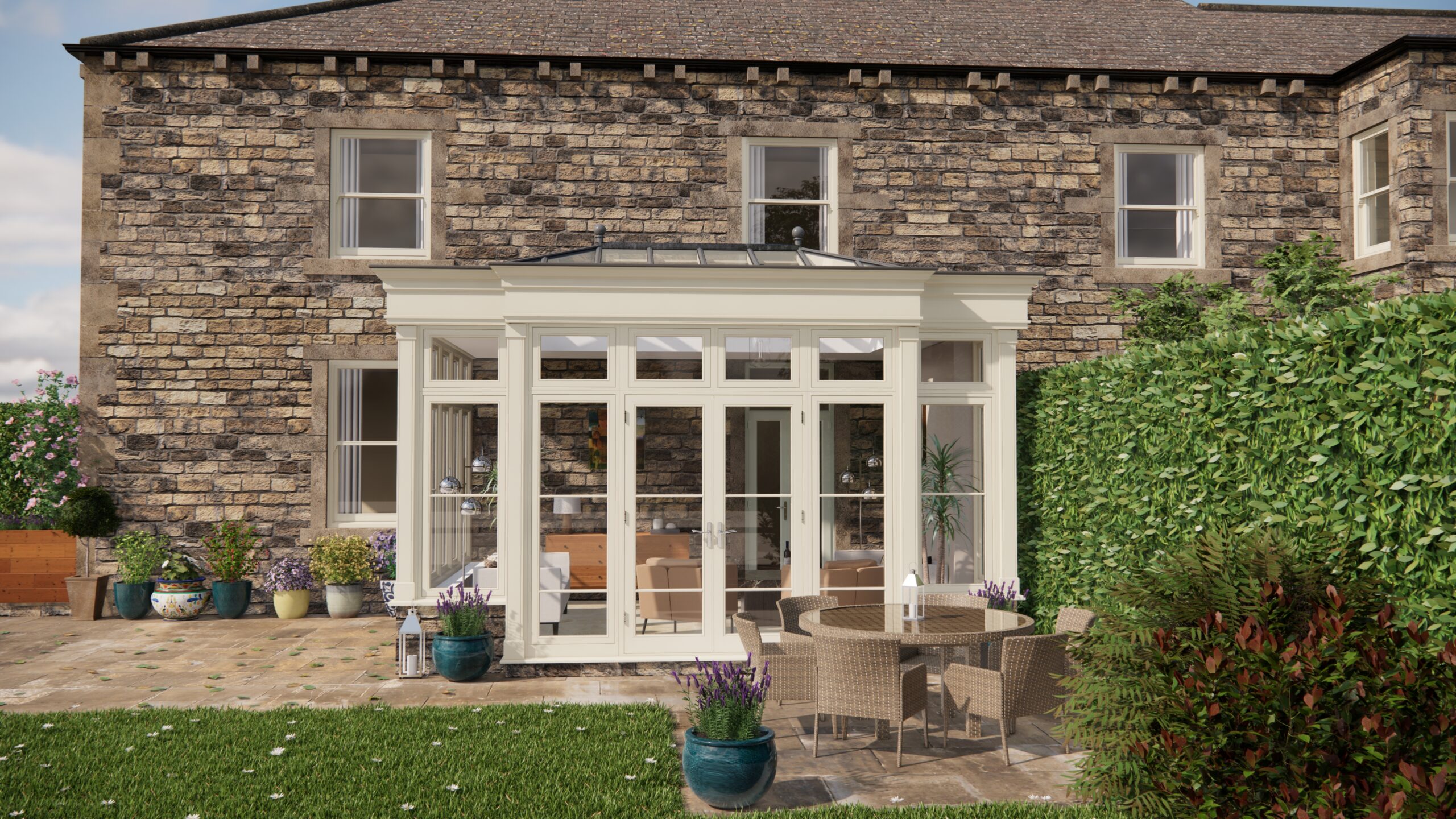
Today, however, Emma pointed out, orangeries are far more versatile. “We see them used as kitchens, dining rooms, studios… even home offices!” The evolution in purpose has naturally influenced design and construction, and that’s before even considering modern conveniences.
Materials: A Reflective History
I then quizzed her about materials. Early orangeries were, according to Emma, restricted to readily available and durable options. “Think stone, brick, and timber, with relatively small panes of glass. Getting large sheets of glass was prohibitively expensive and technically challenging.” The thickness of the walls was paramount for insulation, making these structures feel quite imposing from the outside.
In stark contrast, contemporary orangeries benefit from a far wider selection. “We can now use engineered timbers, thermally efficient glass units, and even composite materials that mimic the look of traditional stone but offer superior performance,” Emma explained. The emphasis is on replicating the aesthetic of the existing property while incorporating modern energy efficiency standards. She also noted the increasing popularity of reclaimed materials, adding a touch of history and sustainability.
Construction Techniques: A Quantum Leap
Next on the agenda was construction techniques. Emma painted a picture of laborious craftsmanship in the past. “Everything was done by hand. Stone was quarried and dressed on-site, timber was hewn and seasoned, and mortar was mixed by hand. It was a very skilled but time-consuming process.” Building an orangery or outbuilding in the past was a considerable undertaking.
Modern construction, Emma clarified, is a world apart. “We have power tools, pre-fabricated components, and advanced construction methods that significantly reduce build time and improve accuracy.” This includes techniques like pre-stressing and new curing methods, which simply weren’t around in previous eras. Computer-aided design (CAD) allows architects to create incredibly complex designs that would have been unimaginable centuries ago.
Challenges & Considerations
I asked Emma what challenges the modern builder has in relation to an historical one. She highlighted that while the historical builder had to create everything from scratch, they didn’t have to deal with modern regulations. “Planning permission, listed building consent, and adherence to building regulations are significant hurdles today, particularly when dealing with older properties. There’s a delicate balance to be struck between preserving historical integrity and incorporating modern standards of energy efficiency and accessibility.” Getting that balance wrong could mean serious planning problems, so Emma made sure to stress the need to have a competent planning advisor on board.
Matching the new construction to the existing property is also paramount, as is ensuring the structure is properly dampproofed and secure. Choosing the right heating system, considering energy efficiency and aesthetics, is another key decision, which can be aided by taking a long-term view of costs and by considering modern technologies. These considerations make it an interesting challenge but also an engaging one.
So, to summarise, the evolution of orangeries and outbuildings reflects the changing needs and capabilities of society. From utilitarian structures built with rudimentary tools and materials to highly sophisticated spaces utilising cutting-edge technology, the journey has been remarkable. Understanding this history is not just an academic exercise; it’s crucial for informing contemporary design and ensuring that these structures continue to evolve and adapt to the demands of the future. It’s about respecting the past while embracing the possibilities of the present.