Right, so, I’ve been diving deep into wellness articles lately, specifically how to use our home space better for exercise and relaxation. Yoga, especially, has been on my mind – making it accessible and enjoyable for everyone, from the little ones to myself. And how our home, particularly an orangery if you’re lucky enough to have one, can seriously boost those activities. One area, in particular, that grabbed my attention was the therapeutic power of light and colour. Honestly, I never realised how much they influenced mood and energy! So, I put it to the test, and I’m here to share my experience, in the hope that you can find your own zen at home.
Harnessing the Magic of Natural Light
First off, natural light. It seems obvious, doesn’t it? But really thinking about it, and how to maximise it, made a massive difference. My starting point was assessing our rooms throughout the day. Which rooms got the most sunlight in the morning (perfect for energising yoga sessions!), and which were bathed in gentler, more diffused light in the afternoon (ideal for meditation)?
If, like me, you’re working with an existing space, think about decluttering around windows. I moved some furniture away from the windowsills and even trimmed back some overgrown plants outside to let more light flood in. Consider investing in sheer curtains or blinds that allow light to filter through while still providing privacy. A simple trick I found useful was to strategically position mirrors to bounce light around the room. It’s amazing how much brighter it felt!
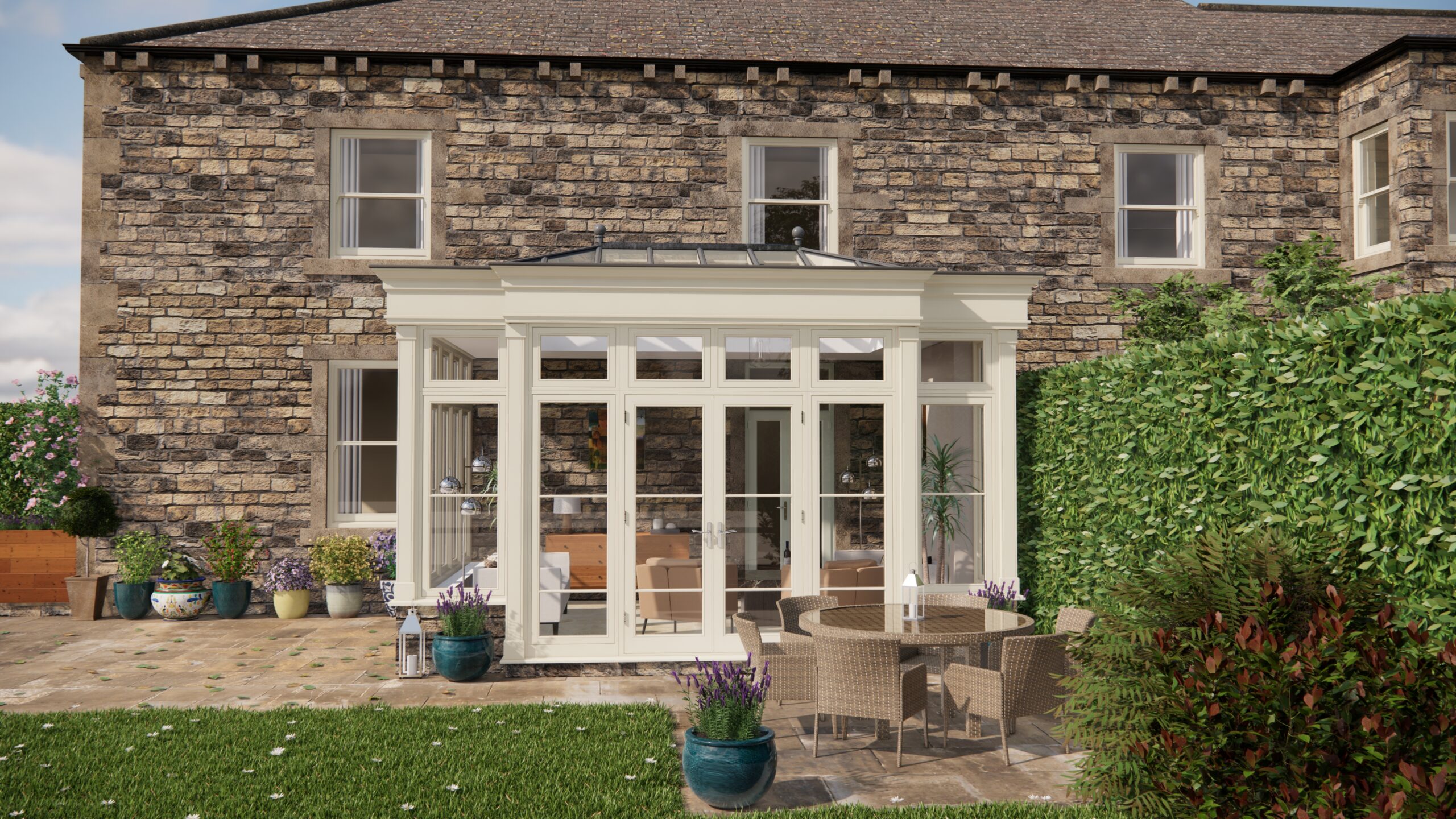
For those with orangeries, you’re already winning! Those glass walls and roofs are a natural light haven. However, think about controlling the intensity during the hottest parts of the day with blinds or shades. You don’t want to be squinting during your sun salutations.
The Art of Artificial Illumination
Of course, natural light isn’t always available, especially in the evenings or on gloomy days. That’s where artificial lighting comes in. The key is to avoid harsh, fluorescent lights, which can be jarring and counterproductive to relaxation.
Layering light is the way to go. I swapped out our main overhead light in the living room for a dimmer switch, so we can adjust the brightness depending on the activity. Then, I added several lamps with warm-toned bulbs. Think soft, ambient light rather than bright, task lighting. Salt lamps are also a good option – not only do they emit a warm, calming glow, but some people believe they purify the air. Whether that’s true or not, they certainly create a lovely atmosphere.
For kids’ spaces, consider night lights with adjustable brightness. My children love their starry projector, which casts a calming night sky onto the ceiling, making bedtime more relaxing.
Colour Psychology: Painting a Mood
Now, onto colour! Colour psychology is fascinating. Different colours can evoke different emotions, so choosing the right palette is crucial for creating a wellness space. I did some research, and here’s what I found works well:
- Calming Blues and Greens: These colours are associated with nature and tranquility. Light blues and greens are perfect for meditation rooms or bedrooms. For kids, a slightly brighter shade of green can be energising without being overwhelming.
- Warm Neutrals: Think creams, beiges, and soft greys. These colours are versatile and create a sense of calm and spaciousness. They also provide a neutral backdrop for adding pops of colour with accessories.
- Earthy Tones: Terracotta, ochre, and muted browns evoke a sense of grounding and stability. These colours are ideal for spaces where you want to feel connected to nature.
Before you rush out and buy paint, consider testing out different colours in your space. Paint small squares of the colours you’re considering on the wall and observe how they look at different times of the day and under different lighting conditions. Remember, colour perception can vary depending on the light.
I repainted our spare bedroom a soft, muted green, and it’s made a world of difference. It’s now my go-to spot for meditation, and even the kids enjoy spending time in there.
Age-Appropriate Adaptations
The final piece of the puzzle is adapting the space to suit different ages. For young children, you might want to incorporate bright, playful colours and soft, comfortable textures. Think beanbag chairs, colourful rugs, and plenty of space for movement. For teenagers, a more sophisticated and minimalist approach might be preferred. Consider a designated meditation corner with comfortable cushions and a yoga mat.
For adults, create a sanctuary that reflects your personal style and needs. A comfortable armchair, a bookshelf filled with inspiring reads, and a diffuser with your favourite essential oils can all contribute to a sense of wellbeing.
Reflecting on this whole journey, it’s clear that transforming our home into a wellness haven was less about expensive renovations and more about thoughtful adjustments. By strategically utilising natural light, carefully selecting artificial lighting, and choosing colour palettes that evoke the desired mood, we created spaces that promote relaxation, movement, and overall wellbeing for the whole family. It’s about creating an environment where everyone feels comfortable, safe, and inspired to prioritise their wellbeing. It’s been an amazing transformation and one that I would recommend every family to take.