Right, let’s talk materials. When it comes to orangeries and outbuildings, it’s not just about throwing something together; it’s about creating a space that’s beautiful, functional, and built to last. And, let’s be honest, that starts with the right material choices. I’ve just finished wading through the complexities of damp proofing and ventilation – crucial, trust me – but today, we’re diving into the exciting world of wood, brick, glass, and everything in between.
Aesthetic Harmony: Blending New with Old
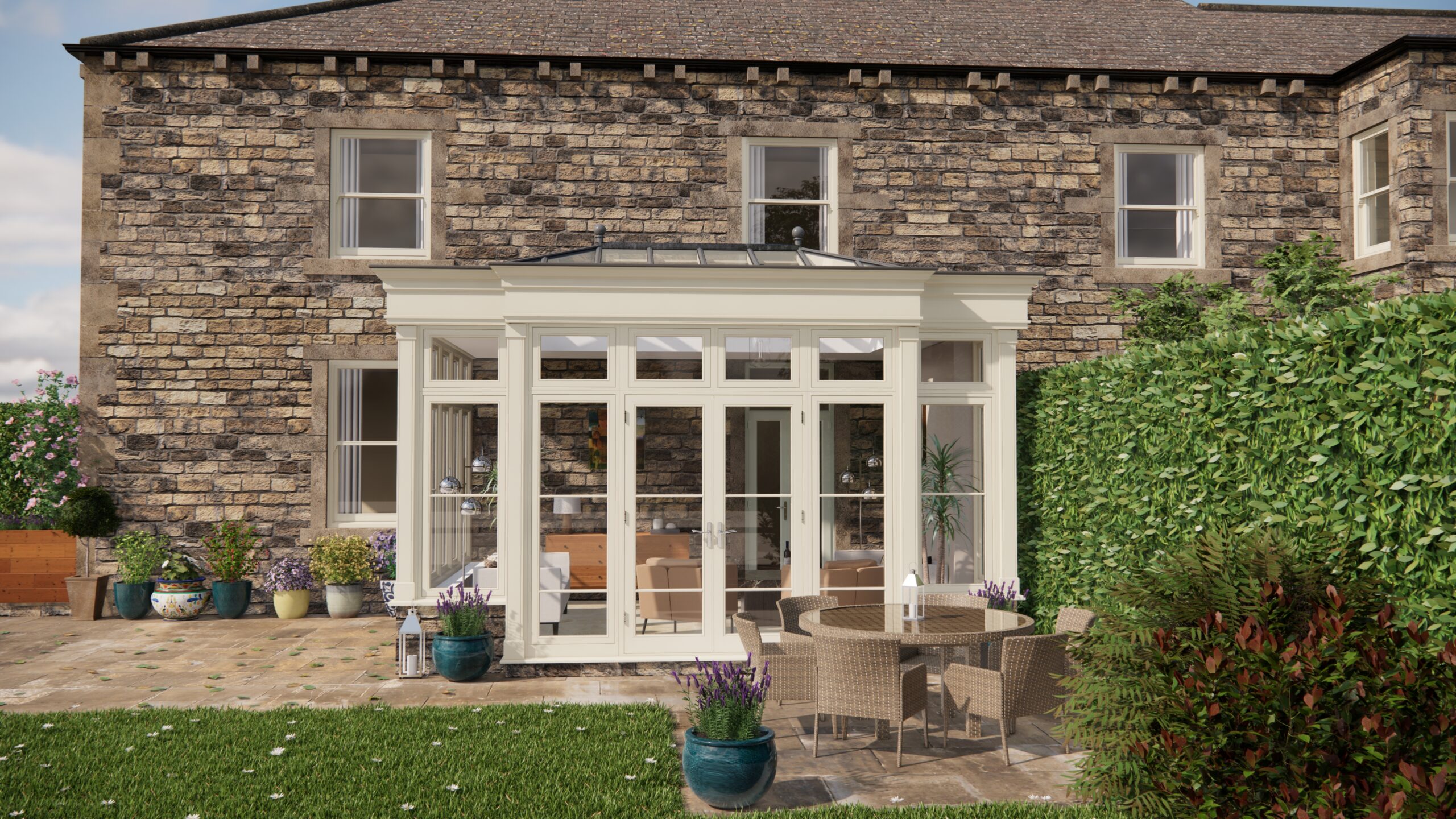
First off, think about your existing property. You want your new structure to complement it, not clash horribly. This is especially critical if you’re working with a listed building or in a conservation area. Matching brickwork is a classic approach. Get samples! Seriously, order them. Compare them in different lights. Trying to eyeball it from a brochure is a recipe for disaster. If your house is rendered, consider a rendered finish for the orangery. It offers a seamless transition. For a more modern look, contrast can work well. A contemporary glass and steel structure can provide a stunning juxtaposition against a traditional brick house, but it requires careful consideration and often the advice of a skilled architect or designer.
Wood: The Timeless Charm (with Considerations)
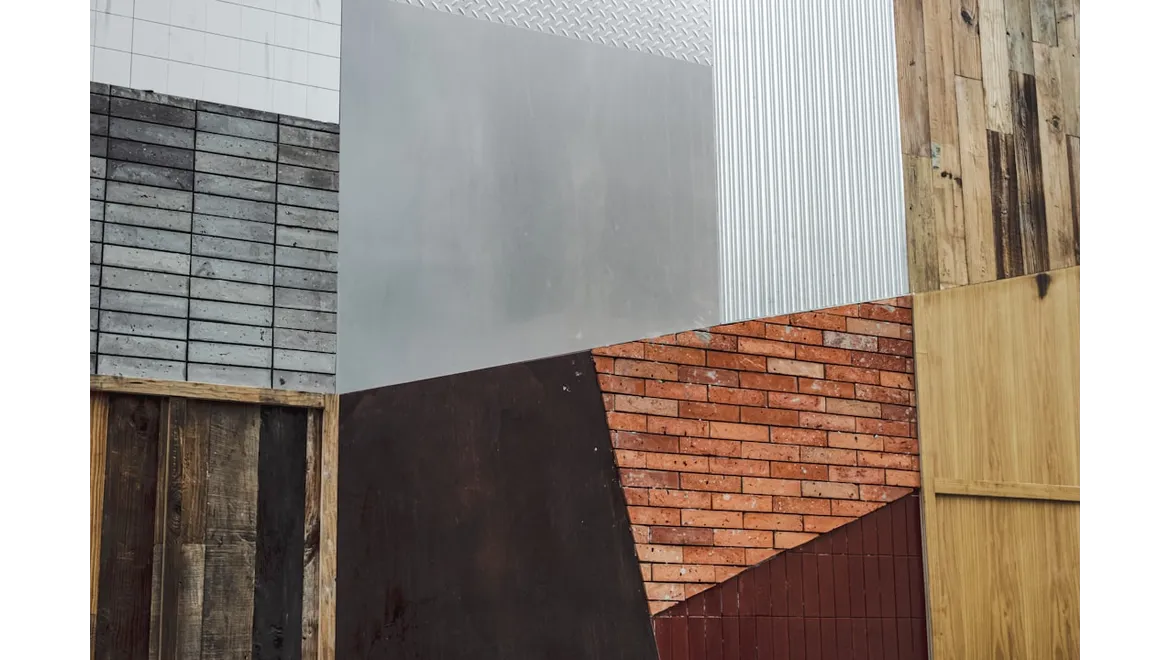
Timber is a perennial favourite for orangeries and outbuildings, offering a natural warmth and elegance that’s hard to beat. But not all wood is created equal. Softwoods like pine are often more affordable but require significant treatment to withstand the elements. Hardwoods like oak and accoya are naturally more durable and weather-resistant, but come with a higher price tag. Accoya, in particular, is fascinating. It’s a modified wood, meaning it’s been treated to make it incredibly stable and resistant to rot and decay. I’ve been seriously impressed by its performance in recent projects. Don’t skimp on the finish. High-quality paints and stains designed for exterior use are essential for protecting the wood from moisture, UV damage, and insect attack. Regular maintenance – a good clean and re-coat every few years – will keep your timber looking its best for decades. Consider also the source of the timber, and look for FSC certification or similar to ensure that it’s from sustainably managed forests. The visual impact of the wood is also critical to achieving the desired result, so consider the grain and any knot features.
Brick: The Solid Foundation
Brick is a robust and reliable material, offering excellent thermal mass and a classic aesthetic. Matching the brick of your existing property, as mentioned before, is crucial for creating a cohesive look. But it’s not just about the colour. The size, texture, and bonding pattern all contribute to the overall appearance. If exact matching is impossible, try to find a brick that complements the existing one in terms of colour and texture. Consider using reclaimed bricks for a more rustic and authentic feel. However, be aware that reclaimed bricks may require more cleaning and preparation before use. Mortar is just as important. Choose a mortar colour that complements the brick. A lime mortar is often recommended for older properties, as it’s more breathable and allows the walls to breathe, preventing moisture buildup.
Glass: Letting the Light Shine In
Glass is, of course, integral to the design of any orangery. But there’s more to glass than just clear panes. Double or triple glazing is essential for energy efficiency. Low-E glass reduces heat loss in the winter and heat gain in the summer, helping to keep your orangery comfortable year-round. Self-cleaning glass is another option to consider, especially for roofs, where it can be difficult to clean. Consider the overall style you are hoping to achieve, and ensure that the glass can fulfil all the necessary functions. Safety glass or laminated glass is mandatory in certain areas, such as doors and low-level windows, to prevent injury in case of breakage.
Environmental Considerations: Building Responsibly
Finally, let’s not forget about the environmental impact of our choices. Opt for sustainable materials whenever possible. Reclaimed materials, such as bricks and timber, are a great way to reduce your carbon footprint. Choose materials with low embodied energy – the energy required to extract, manufacture, and transport them. Consider the lifecycle of the materials. How long will they last? Are they recyclable at the end of their life? Making informed choices about materials can not only create a beautiful and durable structure but also minimize your impact on the environment.
Selecting the right materials for your orangery or outbuilding is a complex balancing act. It’s about marrying aesthetics with durability, functionality with environmental responsibility. By carefully considering your options, you can create a space that’s not only beautiful but also a valuable and sustainable addition to your home for years to come. Remember to prioritize material source and maintenance when making your final decision.