
Hey everyone! I’m always on the lookout for ways to boost wellness by optimising our home spaces. Lately, I’ve been diving deep into the world of sound – how we can minimise the bad and maximise the good, to create truly tranquil zones. I managed to grab some time with Toby, a soundscaping expert, to unravel some of the mysteries. Grab a cuppa, and let’s dive in!
“So, Toby,” I began, settling into a comfy chair in my (hopefully soon-to-be-soundproofed) living room, “noise pollution in open-plan spaces is a huge issue, right? How do we even begin to tackle it?”
Toby smiled. “Absolutely! Open-plan living is fantastic for connection, but not so great for concentration or relaxation. The first step is awareness. Notice where the noise is coming from – the kitchen, the TV, traffic outside. Once you identify the sources, you can strategise.”
Sound Masking Strategies: White Noise to the Rescue
Toby suggested one of the easiest wins is sound masking. “Think white noise machines, or even brown noise which is deeper. They create a consistent background sound that makes distracting noises less noticeable. Experiment with different sounds and volume levels to find what works best for you. You can buy dedicated machines, or simply use a smartphone app or stream soundscapes online.” I was immediately thinking about setting one up near my makeshift home office – a constant hum to drown out the neighbour’s lawnmower sounded like bliss.
How to Replicate This: Download a white noise app (many are free!), place a portable sound machine nearby or create a soundscape playlist online. I suggest you test your favourite music genres. Then, trial different frequencies until you reach the desired levels.
Furniture as Sound Barriers: Strategic Placement
Next up, we discussed using furniture strategically. “Soft furnishings are your best friends,” Toby declared. “Think rugs, curtains, and upholstered furniture. They absorb sound rather than reflecting it. Bookcases filled with books also act as excellent sound diffusers.”
He explained how placement is key. “Instead of having your sofa against a bare wall, position it to create a visual and acoustic barrier between the ‘work zone’ and the ‘relaxation zone’. A large, soft rug can define a relaxation area, absorbing echoes and creating a sense of calm.” I realised I’d been drastically underutilising my oversized cushions!
How to Replicate This: Consider the flow of sound in your open plan space. Where are the hard surfaces that reflect noise? Position soft furnishings strategically to absorb those reflections. A large rug under your dining table, for example, can significantly reduce noise during mealtimes. You can also use plants to create a more peaceful environment.
Ambient Soundscapes: Nature’s Symphony
Toby then introduced the concept of curated soundscapes. “Instead of fighting noise with more noise, you can create a more pleasing sound environment. Think nature sounds – rain, birdsong, ocean waves. They’re incredibly calming and can mask less desirable sounds without being intrusive.”
“You can even tailor the soundscape to specific activities,” he continued. “For yoga, gentle instrumental music or nature sounds are perfect. For working, try ambient electronic music or even a ‘coffee shop’ soundscape to boost focus.” This was music to my ears – literally!
How to Replicate This: Explore different ambient soundscapes online. Spotify, YouTube, and dedicated apps offer a wealth of options. Experiment with different sounds and volumes to find what resonates with you. I highly recommend getting wireless ear plugs so you can go for long periods of time without a break.
Soundproofing: Taking it to the Next Level
We also touched on more advanced soundproofing techniques. “Acoustic panels are a great investment if you’re serious about reducing noise,” Toby advised. “They absorb sound waves and prevent them from bouncing around the room. You can also look into soundproof curtains or even soundproof windows if noise from outside is a major issue.”
While this might be a bigger investment, the benefits in terms of peace and quiet could be transformative. Imagine a home yoga session undisturbed by traffic noise!
How to Replicate This: Research acoustic panels and curtains online. Measure the area you want to soundproof and calculate how many panels you’ll need. You can find a range of options to suit different budgets and aesthetics.
Orangeries and Sound: An Oasis of Calm
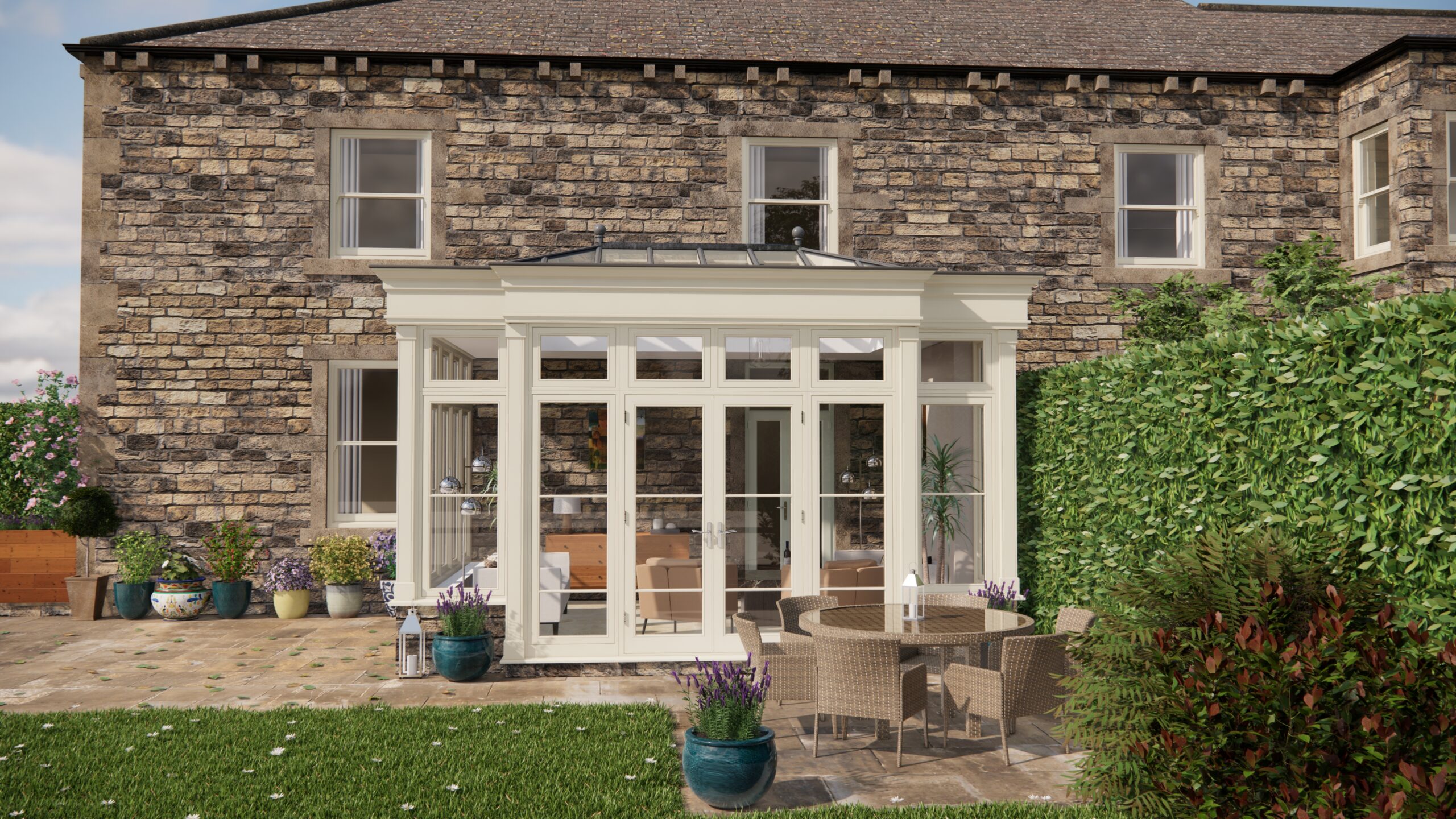
Finally, we discussed how orangeries can enhance a wellness-focused home. “Orangeries, with their large windows and often insulated structures, can create a surprisingly peaceful space,” Toby explained. “The natural light and connection to the outdoors are inherently calming, and the solid construction can help to reduce noise from the outside world. This makes them ideal for activities like yoga, meditation, or simply relaxing with a book.”
How to Replicate This: Look into Orangeries and their impact on the wider area. Consider its placement. Consider its build materials and ask for sound ratings.
Our chat left me feeling inspired and ready to transform my living space into a true sound sanctuary. By being aware of noise sources, strategically using furniture, embracing ambient soundscapes, and even considering soundproofing techniques, we can all create zones of tranquility in our open-plan homes. It’s all about finding the right balance of sound – minimising the stressful, and maximizing the soothing – to create a space that truly supports our wellbeing. It’s a journey, not a destination, but every small change makes a difference. Now, if you’ll excuse me, I’m off to order some acoustic panels!