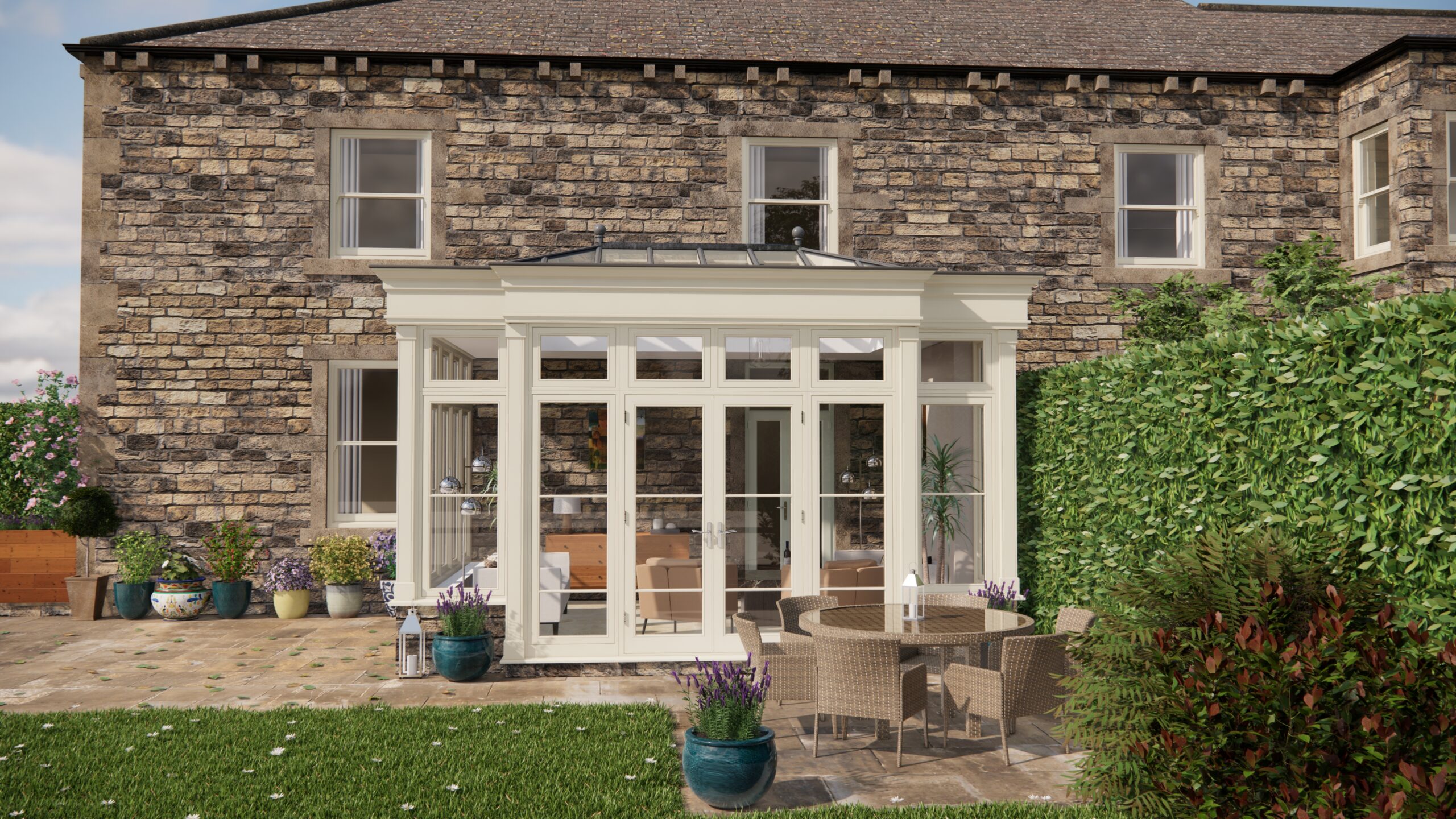
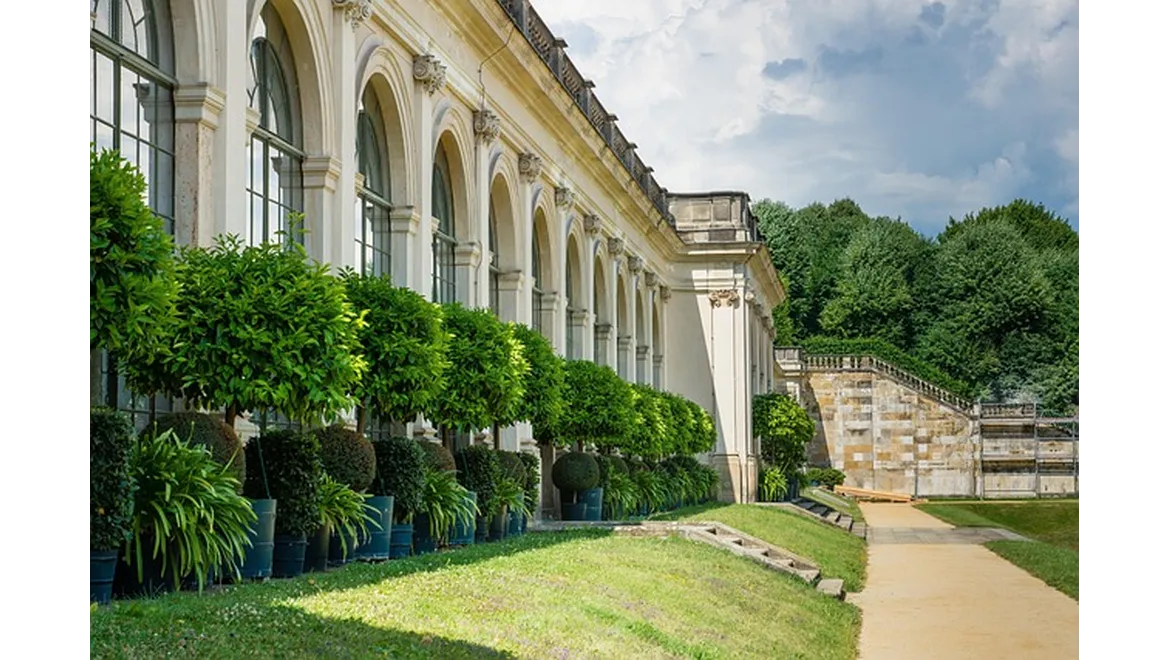
As someone who’s spent countless hours poring over architectural plans, plant catalogues, and building regulations, I’ve developed a real passion for orangeries. There’s something magical about these glazed extensions, and even more so when they are seamlessly integrated with the surrounding garden. Creating that perfect transition, that ‘inside-out’ feel, is what I’m here to guide you through today.
Orangery Construction: Laying the Foundation
Before we even think about landscaping, let’s briefly touch on the structure itself. Articles focusing on orangery construction always highlight the importance of materials. Matching the existing property is key, whether it’s the brickwork, the roofing tiles, or even the window frames. You want the orangery to feel like an organic extension, not a tacked-on afterthought. Heating is another critical factor. Underfloor heating, combined with efficient glazing, is a popular choice for maintaining a consistent temperature. Articles also stress the need for damp-proofing to protect the structure and its contents from the elements. Finally, don’t underestimate UK planning requirements. Standard buildings have their own set of regulations, but listed buildings can present a real challenge, requiring careful negotiation with local authorities.
Heating and Climate Control: Setting the Stage for Success
Once you’ve got your structure sorted, we can delve into the real fun: the landscaping. Articles about ‘Extending the Season’ talk about the importance of heating and climate control within the orangery itself. This directly impacts the plants you can grow. Think about Mediterranean or subtropical varieties that need a warmer environment.
Heated patios are also a great idea. Many articles have looked at how under-patio heaters or even strategically placed fire pits can extend the use of your outdoor space well into the autumn and winter. Sheltered areas, created by walls or strategically placed evergreen shrubs, can further protect more tender plants.
Creating Microclimates: A Plant Lover’s Playground
I’ve read many articles about microclimate creation! It’s about understanding how sunlight, wind, and humidity interact to create localised environments within your garden. South-facing walls, for example, retain heat, making them ideal for sun-loving plants. Shade-tolerant species, on the other hand, will thrive under the canopy of trees or in the shadow of the orangery. Experiment with different levels of shading and humidity to find the perfect spots for a variety of plants. One strategy is to have gravel areas that soak up sun and then release that heat at night, or to build water features to increase humidity levels.
Seamless Transitions: Blurring the Lines
Articles stress the importance of creating a smooth transition between the interior and exterior spaces. Use similar materials for flooring inside and out to visually connect the two areas. Large bi-fold doors or sliding doors open up the orangery to the garden, creating a sense of flow. Consider the sightlines from inside the orangery. What do you want to see when you look out? Frame your view with strategically placed trees, shrubs, and focal points.
Plant Choices: A Symphony of Textures and Colours
The plants you choose will ultimately define the style of your garden. Consider the colour palette of your orangery and choose plants that complement it. Use a mix of textures and heights to create visual interest. Articles often recommend using evergreen plants for year-round structure, combined with seasonal flowers for pops of colour. Don’t forget about scent! Fragrant plants, like jasmine or lavender, will fill your orangery and garden with delightful aromas.
When thinking of landscaping you need to consider access to the orangery for maintenance. You don’t want to be hauling gardening equipment through your house to reach the orangery gardens. One method is to incorporate a subtle pathway through your landscaping to avoid a well worn grass path forming.
All things considered, remember to focus on the structure of the orangery, heating it adequately, damp-proofing it well and considering the legal implications of construction, then focus on how to blend the plants both in and around the structure with the external environment in a seemless process. You want to use all these elements to create both a visual extension that makes you feel like you are in both places at once, and a temperature balance between the internal and external environments.