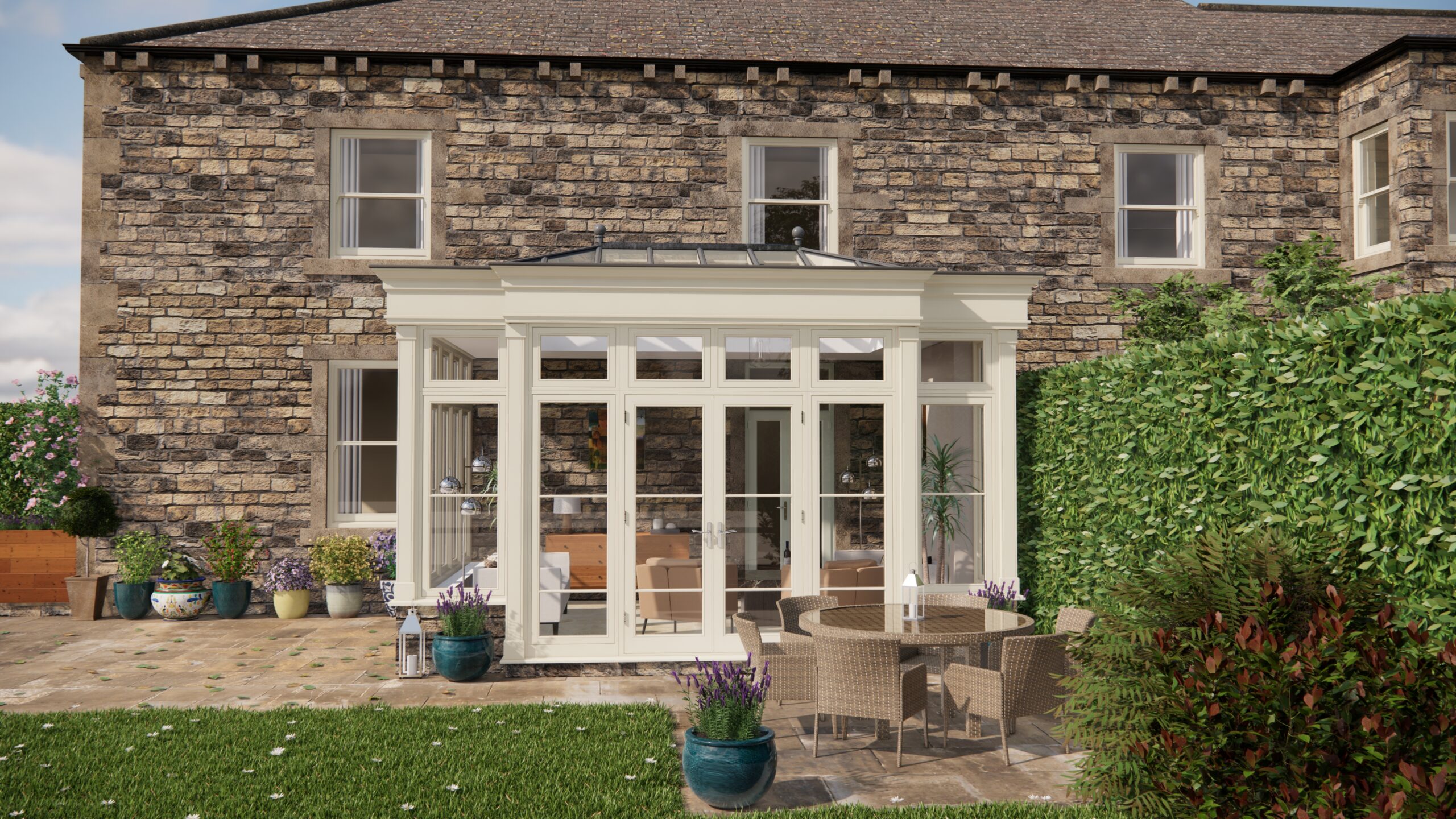
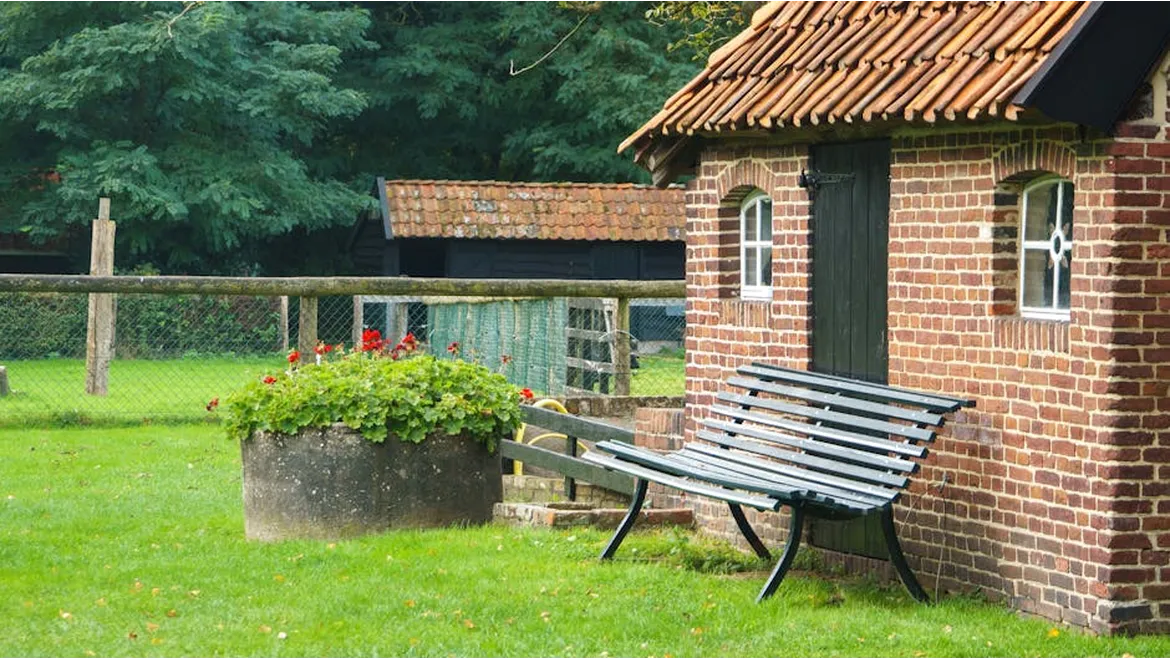
Right, let’s talk about something incredibly important when it comes to building orangeries and outbuildings in the UK: keeping the blooming damp out! We all know how unpredictable our weather can be, and moisture is enemy number one when it comes to long-term structural integrity. So, let me walk you through some of the key things I’ve learned while researching and writing about this crucial aspect of construction.
Material Selection: Your First Line of Defence
Choosing the right materials is where it all begins. Think of it as building a fortress against the elements. Here’s the breakdown:
-
Timber: Beautiful, traditional, but notoriously susceptible to rot if not treated properly. Softwoods like pine are cheaper but demand more rigorous treatment. Hardwoods like oak are naturally more resistant, but come with a higher price tag. The key? Thoroughly research and apply appropriate timber treatments, including preservatives and water repellents. Reapply these treatments every few years to maintain protection. Always use treated timber for anything in contact with the ground or exposed to constant moisture.
-
Brick: A classic choice for blending with existing properties, brick offers good weather resistance. However, brick is porous and can absorb water. This can lead to freeze-thaw damage in colder months and damp penetration indoors. To combat this, consider using a high-quality masonry sealant. These sealants create a barrier that prevents water from soaking into the brickwork. There are different types of sealant available – film-forming, which create a surface coating, and penetrating, which soak into the brick. Penetrating sealants generally offer better long-term protection as they don’t peel or crack.
-
Composite Materials: Increasingly popular, composite materials offer excellent moisture resistance and require minimal maintenance. Think of wood-plastic composites for cladding or fibre-cement boards. They mimic the look of natural materials but are far less susceptible to rot and decay. While they may have a higher initial cost, the long-term savings on maintenance can make them a worthwhile investment.
-
Glass: Essential for letting light in, but also a potential weak point for water ingress. Opt for weather-resistant glazing options such as double or triple glazing with sealed units. Ensure proper flashing and sealing around the window frames to prevent water from seeping in. Consider using self-cleaning glass, which helps to minimise water streaks and maintain visibility.
Advanced Damp-Proofing Techniques
Once you’ve chosen your materials, it’s time to implement advanced damp-proofing techniques. These methods provide an extra layer of protection against moisture intrusion.
-
Damp-Proof Course (DPC): A horizontal barrier, typically made of plastic or slate, installed within the walls to prevent rising damp. Ensure the DPC is correctly installed and not bridged by external features like flowerbeds or paving. Check existing DPCs if renovating, they sometimes need repairing and the surrounding materials making good.
-
Damp-Proof Membrane (DPM): A waterproof membrane laid beneath the floor slab to prevent moisture from rising through the ground. Overlap the DPM at the seams to ensure a continuous barrier.
-
Ventilation: Adequate ventilation is crucial for preventing condensation build-up. Install vents in the walls and roof to allow for airflow. Consider mechanical ventilation with heat recovery (MVHR) systems, which provide controlled ventilation and recover heat from exhaust air.
-
Water Management: Proper drainage is essential for diverting water away from the building. Ensure the ground slopes away from the structure and install gutters and downpipes to collect rainwater and channel it away. Check the drains are flowing correctly regularly. Use of french drains in particularly wet areas can also be of use.
Dealing with Existing Damp Problems
If you’re renovating an existing orangery or outbuilding, you may need to address existing damp problems. This could involve:
-
Identifying the Source: The first step is to identify the source of the damp. Is it rising damp, penetrating damp, or condensation? A damp meter can help you pinpoint the affected areas.
-
Remedial Work: Once you’ve identified the source, you can take appropriate remedial action. This may involve repairing damaged brickwork, replacing rotten timber, or installing a new DPC.
-
Professional Help: For complex damp problems, it’s best to consult a qualified damp-proofing specialist. They can conduct a thorough survey and recommend the most effective treatment options.
Planning and Building Regulations
Of course, don’t forget to factor in UK planning requirements and building regulations. These regulations ensure that your orangery or outbuilding is structurally sound and meets minimum standards for damp-proofing and weather resistance. Listed buildings are subject to even stricter rules, so it’s essential to consult with your local authority before starting any work. Make sure you get all the necessary planning permissions before beginning any work.
The Long Game
Building a damp-proof orangery or outbuilding is all about playing the long game. It requires careful planning, diligent material selection, and the implementation of advanced damp-proofing techniques. By addressing potential moisture problems upfront, you can ensure that your structure remains dry, comfortable, and structurally sound for many years to come. Remember to consult with professionals and ensure you’re sticking to regulations so that you can be confident in your build.