
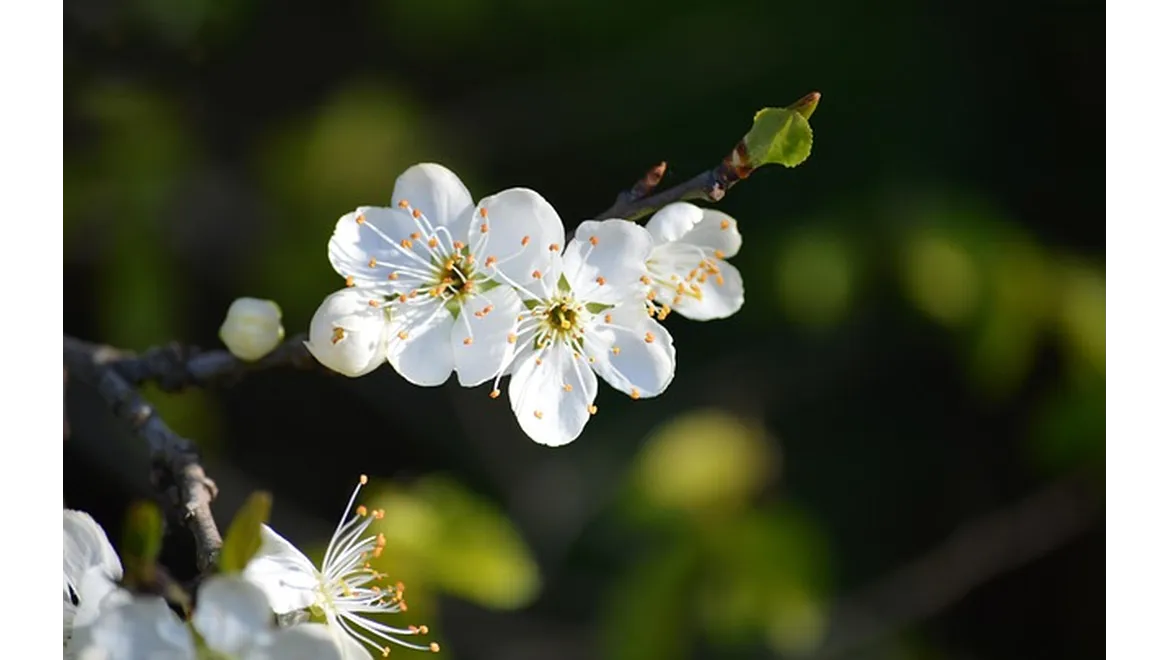
As a keen UK gardener, I’ve always been drawn to the idea of a garden brimming with fresh, home-grown produce. Vegetable patches are great, and herb gardens endlessly useful, but the real aspiration for me was always fruit trees. The thought of plucking a juicy apple straight from my own branches felt like the ultimate gardening achievement. So, armed with a trowel and a healthy dose of optimism, I embarked on my fruit tree journey.
My first challenge was navigating the sheer volume of information out there. Thankfully, I stumbled across a fantastic resource, “Fruitful Endeavors: A Step-by-Step Guide to Planting and Maintaining Fruit Trees in the UK.” It was a real game-changer, demystifying the whole process for me.
Choosing the Right Tree: A Matter of Space and Climate
One of the most important things I learned was the importance of choosing the right variety for my space and climate. I have a relatively small garden, so towering orchard trees were out of the question. The guide helped me understand the different rootstocks available, explaining how they affect the ultimate size of the tree. I settled on a ‘Discovery’ apple tree on a dwarfing rootstock, perfect for container growing or a small garden border, and a ‘Stella’ cherry tree, known for being self-fertile and relatively compact. The advice made it clear that even in the UK there were particular climates to be aware of and that some of the more exotic fruits may have issues with our sometimes unpredictable temperatures.
Planting Bare-Root: Getting Started the Right Way
The guide also provided incredibly detailed instructions on planting bare-root trees, which are generally planted during the dormant season (November to March). The most crucial step is preparing the planting hole. It needs to be twice as wide as the root system and just deep enough so that the top of the root flare (where the roots begin to spread from the trunk) is level with the soil surface. I thoroughly incorporated well-rotted manure into the soil before planting, providing the tree with essential nutrients. Staking the tree is also essential, especially in windy areas, to provide support while it establishes its root system. The guide offered a great tip about using soft ties to avoid damaging the bark.
Pruning for Perfection: Shaping and Encouraging Fruit Production
Pruning can seem daunting, but it’s absolutely vital for the health and productivity of your fruit trees. “Fruitful Endeavors” explained the different types of pruning cuts – thinning cuts (removing entire branches) and heading cuts (shortening branches) – and how they influence growth and fruiting. For my apple tree, I focused on creating an open-centred shape, allowing sunlight to penetrate the canopy and promote good air circulation, reducing the risk of disease. My cherry tree, on the other hand, needed a more gentle approach, removing any dead or damaged wood and lightly thinning out overcrowded branches.
Espalier Training: A Space-Saving Solution
For those with limited space, the guide also covered espalier training – training trees to grow flat against a wall or fence. This is a fantastic way to maximise fruit production in a small garden, and it looks beautiful too. The guide gave detailed instructions on creating a sturdy support system and the techniques for training the branches into the desired shape, demonstrating how to tie young growth to the framework to encourage lateral growth. I haven’t attempted this yet, but it’s definitely on my gardening to-do list!
Pest and Disease Control: Staying Vigilant
Unfortunately, fruit trees are susceptible to various pests and diseases. The guide included a comprehensive section on identifying common problems, such as apple scab, codling moths, and aphids, and offered advice on preventative measures and organic control methods. Regular inspections are key. I’ve found that applying a grease band around the trunk in autumn can help prevent winter moth caterpillars from crawling up the tree. I also use a copper fungicide spray in early spring to protect against fungal diseases.
The journey of growing fruit trees has been incredibly rewarding. It requires patience, care, and a willingness to learn, but the taste of a homegrown apple or cherry is simply unbeatable. From carefully selecting the right varieties and rootstocks for your individual micro climate, to ensuring a solid planting foundation, the regular maintenence of good pruning and the watchful eye that can spot pests and disease quickly, all these things contribute to the health of the tree and the quality of the fruit. Remember, start small, be prepared to learn as you go, and enjoy the process. You’ll be surprised by what you can achieve.