
Right, let’s talk about creating a truly welcoming and beneficial home wellness space. I’ve recently been diving deep into the realms of accessible design, particularly how it intersects with wellness and creating havens within our own four walls. My focus? Adapting spaces for everyone, regardless of disability, age-related limitations, or specific health needs. It’s been a fascinating, and frankly, essential journey. I want to share my insights, so you can make your home a restorative sanctuary for all.
Colour: More Than Just Aesthetics
My initial research focused heavily on colour psychology. You might think, ‘Oh, just pick a nice shade,’ but it’s so much more profound than that. Colour profoundly impacts mood and well-being. Think about a spa – you rarely see bright, jarring colours, do you? Instead, you’re greeted with calming blues, gentle greens, or warm neutrals. These choices aren’t accidental; they’re carefully selected to promote relaxation.
I explored the specific effects of different colours, and it turns out there’s real science behind it. Blues are generally calming and associated with tranquility. Greens evoke nature and can reduce stress. Yellows can be uplifting, but too much can be overwhelming. Reds are energising, but can also increase anxiety. Therefore, when designing a home yoga space or a meditation corner, understanding the impact of your colour palette is paramount. To implement this effectively, one would need to research the feelings evoked by each colour and create a mood board. By matching the desired feeling with the colours on the mood board, the colour selection process for a room becomes more objective and predictable.
Accessibility Considerations: A Deeper Dive
But here’s where it gets even more crucial: accessibility. We need to consider individuals with visual impairments or cognitive disabilities. High contrast is your friend here. If walls are a light shade, furniture and trim should be darker, and vice-versa. This helps with depth perception and allows individuals to navigate the space more easily. Avoid busy patterns or overly stimulating colours that can cause disorientation or sensory overload. Imagine trying to focus during yoga in a room with a dizzying wallpaper pattern! A useful way to test for this is to print out a small section of a chosen wallpaper and focus on it from a reasonable distance. Note down how your eyes feel after focusing on the section for 2 minutes. If your eyes feel strained, the wallpaper will need to be ruled out. If you are unsure, ask someone who is affected with visual impairement to trial the wallpaper to obtain more accurate results.
Yoga at Home: A Multi-Generational Activity
Now, let’s talk about yoga. It’s a fantastic way to improve flexibility, strength, and mental well-being. And the beauty of it is, it can be adapted for all ages and abilities. Consider a family yoga session – grandparents, parents, and children all participating. For those with mobility limitations, chair yoga is a brilliant option. A stable chair provides support and allows individuals to participate fully. The key is ensuring the space is clear, safe, and accessible. Enough open floor space is essential. Remove any trip hazards like rugs. Good lighting is also crucial for visibility and safety, avoiding glare that can be disorienting.
The Orangery Advantage: Bringing the Outdoors In
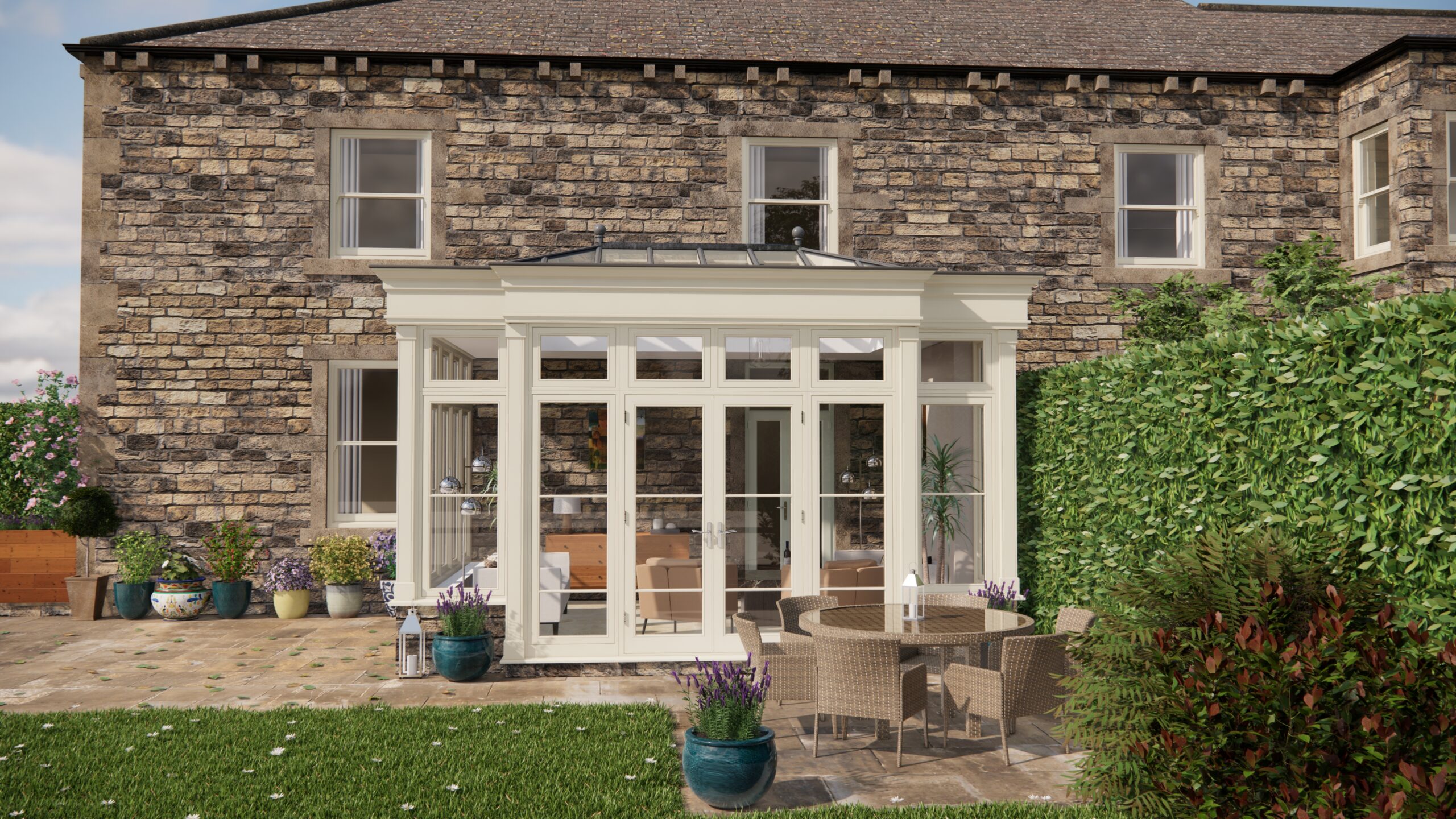
Then there’s the orangery – a personal favourite. An orangery can be a game-changer for a home wellness space. All that natural light! It instantly creates a brighter, more uplifting atmosphere. Furthermore, the connection with the outdoors is incredibly beneficial for mental well-being. Studies have shown that spending time in nature reduces stress and improves mood. An orangery effectively brings the outdoors in, creating a serene and restorative environment for yoga, meditation, or simply relaxing.
To enhance the orangery space, consider biophilic design principles. Incorporate natural elements like plants, natural wood, and stone. Use large windows to maximise natural light and views of the garden. A small water feature can add a soothing soundscape. The combination of natural light, greenery, and calming sounds creates a sensory-rich environment that promotes relaxation and well-being.
Putting it all Together
In essence, crafting an accessible home wellness space involves thoughtful planning and attention to detail. It’s about creating an environment that caters to the diverse needs of everyone in the household. It’s about understanding how colour impacts mood and choosing palettes that promote relaxation and focus. It’s about ensuring the space is safe, accessible, and adaptable to various activities, from yoga to meditation. And it’s about harnessing the power of nature, through elements like natural light and greenery, to create a truly restorative sanctuary. Remember, the goal is to create a space where everyone feels welcome, comfortable, and supported on their wellness journey.