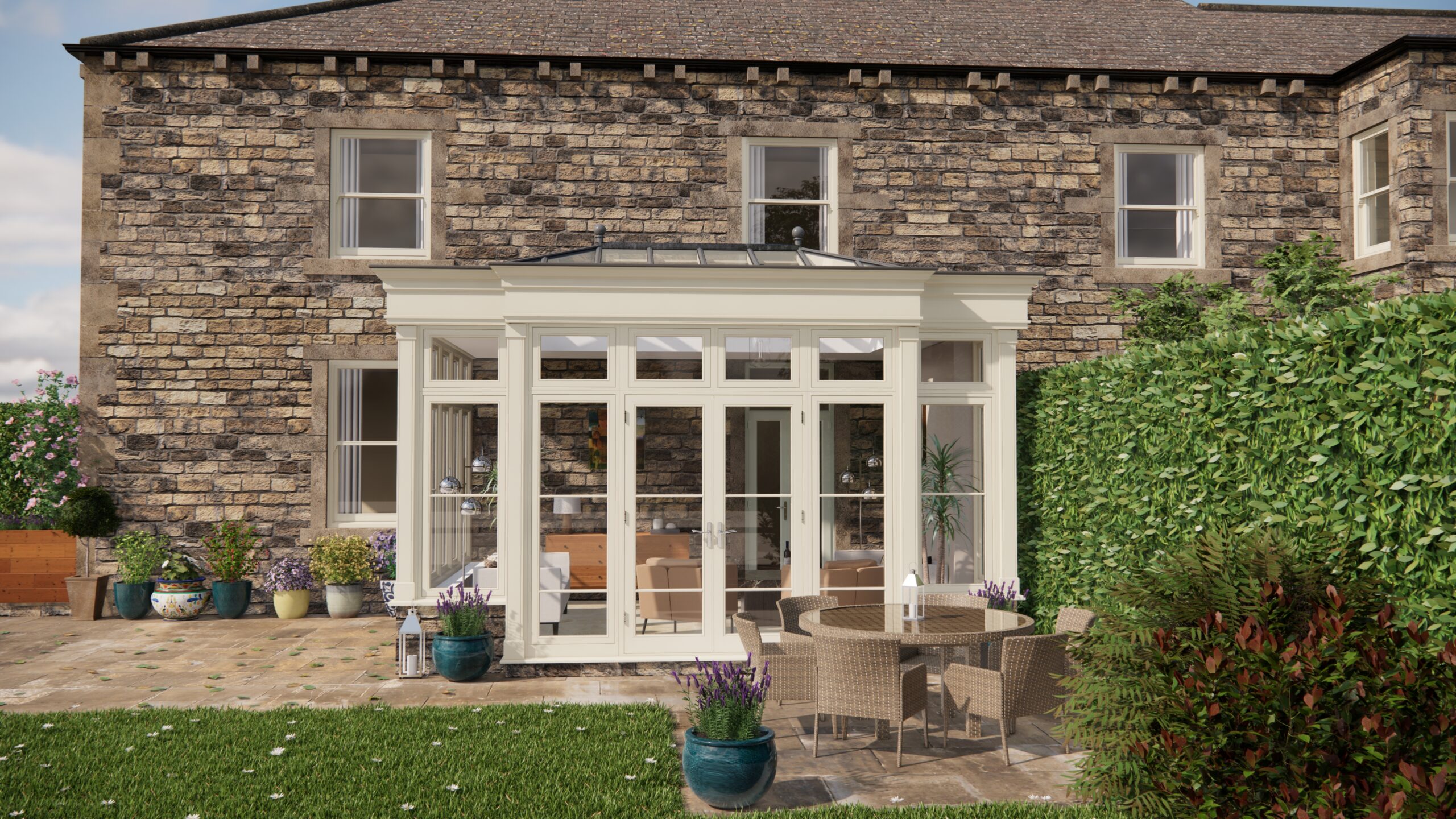
Right then, let’s talk materials. Not just any materials, mind you, but the kind that let you build a stunning orangery or outbuilding without feeling like you’re single-handedly contributing to the demise of the planet. It’s a balancing act, isn’t it? Aesthetics, longevity, and eco-friendliness all vying for attention. I’ve just finished a deep dive into the world of sustainable building for these structures, and I wanted to share some of the key takeaways.
First Things First: Understanding the Landscape
Before you even sketch a design, get your head around the constraints. Is your property listed? What are the local planning regulations? These factors will heavily influence your material choices. Listed buildings often require materials that match the existing structure’s character, which can be tricky when trying to go green. It’s about finding sympathetic alternatives – for example, reclaimed bricks that closely resemble the originals, or sustainably sourced timber that echoes the existing wood. Consult your local planning office early in the process to avoid headaches later.
The Timber Tango: Sourcing Responsibly
Timber is a classic choice for orangeries and outbuildings, offering warmth and natural beauty. But it’s vital to ensure it’s sustainably sourced. Look for FSC (Forest Stewardship Council) certification. This guarantees the timber comes from responsibly managed forests. Consider using reclaimed timber – it’s got character, reduces waste, and often offers superior strength due to its age. The process for using reccliamed timber starts with finding the right supplier that can gurantee the provenance of their wood and that it meets the structural requirements for your building, after your supplier you would be well advised to consult with a structural engineer to confirm that it will meet the performance criteria. Finally get your planning team onboard to make sure they are in agreement.
Beyond Bricks and Mortar: Exploring Alternatives
Don’t limit yourself to traditional materials. There’s a whole world of eco-friendly options out there. Recycled plastic lumber, for example, is incredibly durable and requires minimal maintenance. It’s perfect for areas prone to moisture. Hempcrete, a mixture of hemp fibres and lime, offers excellent insulation and breathability, helping to regulate temperature and reduce damp. The production of hempcrete is not too dissimilar to concrete and as such you can get local suppliers to produce it to your specification in the same fashion that concrete is produced.
Glazing Glory: Maximising Light and Efficiency
The glazing is where you can really boost the energy efficiency of your orangery or outbuilding. Opt for double or triple glazing with low-E coatings to minimise heat loss. Consider using solar control glass on south-facing aspects to prevent overheating in the summer. And remember, proper sealing is crucial to prevent drafts and moisture ingress. To test for drafts close all the windows and doors and light a stick of insense, move it around the window and door frames to see if you notice the smoke blowing about as that indicates air getting in or out. If you find issues here, there are readily avlaible kits online and in most DIY stores to fill the gaps and fix the problem.
Insulation Innovation: Keeping it Cosy
Proper insulation is key to creating a comfortable and energy-efficient space. Natural insulation materials like sheep’s wool or recycled denim offer excellent thermal performance and are environmentally friendly. Ensure you insulate the walls, roof, and floor to minimise heat loss. Look for insulation materials with good breathability to prevent moisture build-up and potential damp issues. There are many suppliers of natural insulation materials, a good starting point is to research your local farm shops as many of them will have relationships with sheep farmers.
Finishing Touches: Eco-Friendly Paints and Sealants
Don’t overlook the finishing touches. Choose paints, varnishes, and sealants that are low in VOCs (volatile organic compounds). These chemicals can be harmful to your health and the environment. Opt for water-based or natural alternatives.
Durability and Maintenance: Planning for the Long Term
Sustainability isn’t just about the initial build. It’s about longevity. Choose materials that are durable and require minimal maintenance. This reduces the need for replacements and repairs in the long run, saving you money and resources. For example, using cedar cladding is not only a sustainable choice but also very durable. In order to test durablity you should request samples of materials from suppliers to examine their quality and strength.
Considering the materials you choose is so much more than just picking something pretty. It’s a careful evaluation of environmental impact, aesthetic harmony, and long-term performance. Prioritising sustainably sourced timber, exploring alternative materials like hempcrete, investing in high-performance glazing, and embracing natural insulation, are all steps in the right direction. By paying attention to these aspects, you can create a beautiful and functional orangery or outbuilding that’s also kind to the planet.