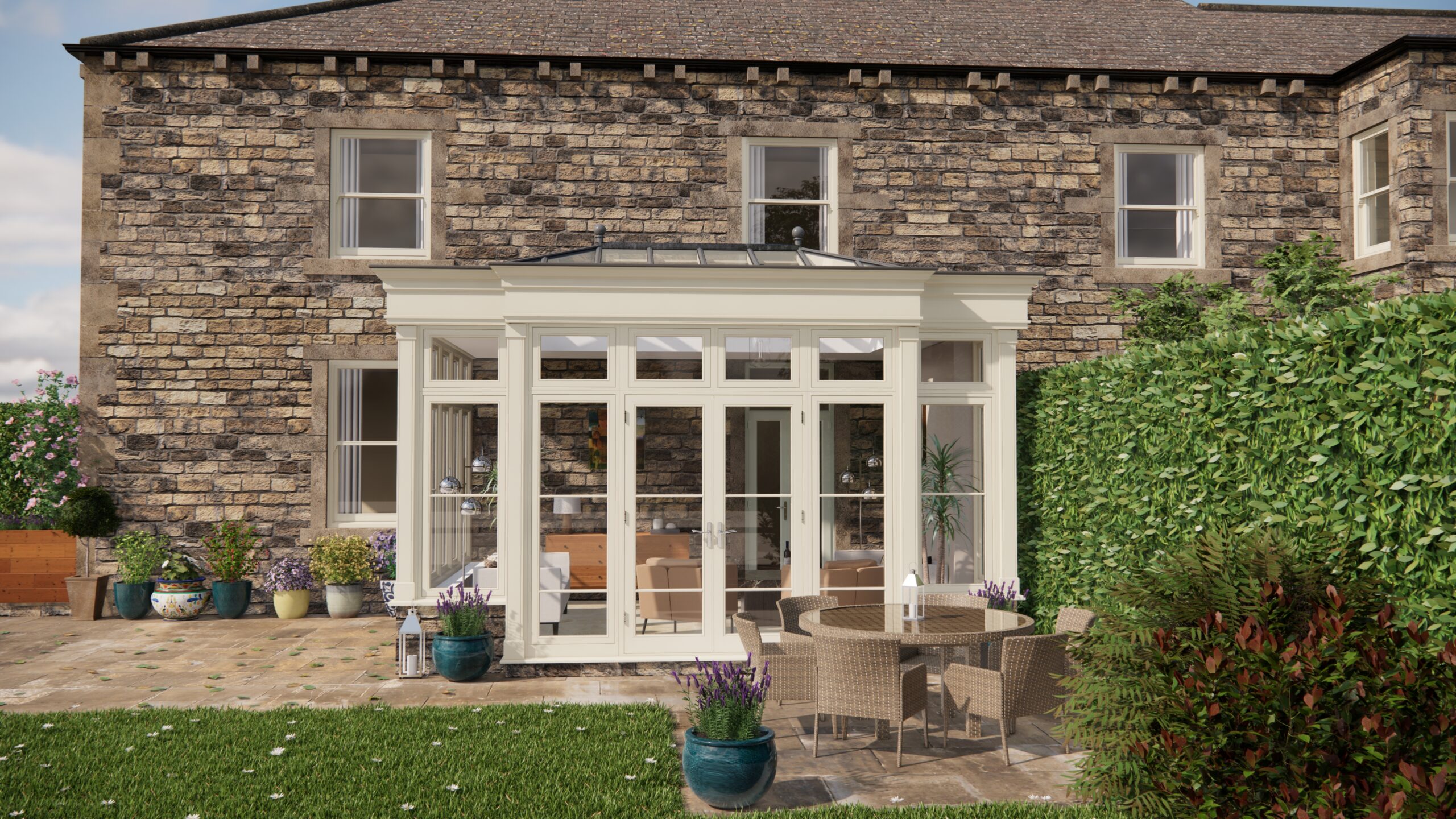

Right, let’s dive into the nitty-gritty of orangery and outbuilding foundations! I recently had a fascinating chat with Adam, a structural engineer with years of experience in this area, and I wanted to share the insights I gleaned. Forget visions of sun-drenched citrus fruits for a moment; a solid foundation is everything.
Why all the Fuss About Foundations?
I started by asking Adam why foundation planning is so vital. “Think of it like this,” he explained, “your orangery is going to be a significant weight. Without understanding the ground beneath, you risk settlement, cracks, and all sorts of structural woes down the line. We’re talking about potentially serious – and expensive – problems.” So, avoiding these headaches is crucial, especially considering the investment in a new structure.
The Detective Work Begins: Site Investigation
Adam stressed the importance of thorough site investigation. “It’s not just about digging a hole and hoping for the best,” he chuckled. The initial step is usually a desk study. This involves gathering historical maps, geological surveys, and any existing records related to the site. It gives you a preliminary understanding of potential issues, like previous land use or known soil conditions in the area.
Next up, the practical stuff! This generally involves trial pits. These are essentially exploratory excavations that allow you to visually inspect the soil profile. Adam explained that a geo-technical engineer would then assess the characteristics of the soil, identifying different layers and their properties. You might find clay, sand, gravel, or even made-up ground (artificial soil). “Each soil type behaves differently under load,” Adam pointed out. “Clay, for example, can be prone to heave and shrinkage depending on its moisture content, while sandy soils might have excellent drainage but lower bearing capacity.”
Soil Testing: Getting Specific
Trial pits are a good starting point but for a more accurate understanding of the soil, samples must be taken and sent away for laboratory testing, this will identify the composition of the soil and it’s properties. Adam suggested that “This is key to determining things like soil bearing capacity – how much weight the soil can support without excessive settlement. It also informs drainage considerations. Understanding the soil’s permeability tells you how quickly water drains away and helps design effective drainage systems to prevent waterlogging.” This stage also allows you to confirm the initial findings and helps the structural engineer determine the exact foundation type.
Foundation Types: Matching the Ground
So, what happens once you know your soil? Adam outlined the common foundation options for orangeries and outbuildings. “Strip foundations are the most common,” he said. “They’re relatively straightforward and work well on stable ground. However, if you’re dealing with poor soil or trees nearby, you might need something more robust, like a raft foundation (a large concrete slab) or even piled foundations (long columns driven into the ground to reach a stronger soil layer).” The choice depends entirely on the soil’s bearing capacity and stability.
Beyond the Ground: Other Considerations
It’s not just about the soil, of course. Adam emphasised the importance of considering existing structures. “Proximity to other buildings can affect foundation design, especially if they have deep foundations themselves. You need to avoid undermining them during excavation.” He also touched on drainage, highlighting the need to prevent water from accumulating around the foundations and potentially causing damp issues in the orangery or outbuilding. And in older properties, any existing drainage runs need to be carefully considered, not just to prevent accidental damage but also in the foundation design.
Planning and Building Regulations: Don’t Forget the Paperwork!
Before you even think about digging, you need to consider planning permission and building regulations. Adam reminded me that “Planning rules depend on the location, size, and design of your structure, especially if it’s a listed building or in a conservation area.” Building regulations, on the other hand, cover structural integrity, damp-proofing, and other safety aspects. “Getting professional advice on these matters is essential to avoid costly delays and potential enforcement action,” he warned. He advised checking with the local authority planning department.
In short, getting the foundation right for your orangery or outbuilding isn’t just about following regulations; it’s about ensuring the long-term stability and enjoyment of your new space. A thorough site investigation, including desk studies and trial pits, is the key to understanding your soil. Soil testing allows the engineer to determine the soil type and properties and the design is all about choosing the right foundation type and considering drainage, planning permissions, and building regulations. Doing your homework upfront can save you a lot of heartache and expense down the road. It’s all about getting the groundwork right – literally!