
Right, so I was chatting to my friend Samantha the other day about all this buzz around home wellness, especially how technology’s changing the game. We were both looking at some articles about creating zen spaces and making the most of fitness trackers – it got us thinking. Samantha’s always been a bit of a technophobe when it comes to her wellbeing, so I thought I’d share what we talked about, hoping it might resonate with some of you too.
First off, we dived into the idea of tracking progress with data. I showed her an article about how fitness trackers, smart scales, and even sleep monitors can be surprisingly useful. It’s not just about obsessing over numbers; it’s about understanding your body better. For example, I use my fitness tracker to monitor my daily steps and heart rate during workouts. Samantha was skeptical. ‘But isn’t that just…stressful?’ she asked. I explained that the key is setting realistic goals. Start small. Instead of aiming for 10,000 steps straight away, aim for an extra 500 steps a day for a week. Then, gradually increase it. It’s about incremental improvements, not overnight transformations. Think of it as a feedback loop. You track your progress, see what works, and adjust accordingly. If you notice you sleep better on days you do yoga, you know to prioritise that activity.
Then we talked about meditation apps. Samantha admitted she’d tried a few, but found them ‘a bit gimmicky’. I agreed that some are, but others are genuinely helpful. The key is finding one that suits your style. Some apps offer guided meditations specifically designed for relaxation, while others focus on mindfulness techniques. We looked at an article suggesting Headspace or Calm, both offer free trials so you can see which feels right. And you don’t need a fancy app to meditate. Even setting a timer for five minutes and focusing on your breath can make a difference. The point is to create a routine, even a short one, and stick to it. Even better, these apps can be accessed on the go, or accessed through your smart devices at home.
We moved onto smart home devices and how they can enhance your home wellness routine. Think about smart lighting that adjusts to create a calming atmosphere, or a smart thermostat that automatically lowers the temperature in the evening to promote better sleep. We found an article that mentioned using smart speakers to play relaxing music or nature sounds during yoga sessions. Samantha’s eyes lit up at the idea of a voice-activated aromatherapy diffuser! ‘Imagine,’ she said, ‘walking into a room filled with lavender scent just by asking!’ It’s about creating an environment that supports your wellbeing. Also consider the benefits of yoga in the home. Yoga is an activity that can be enjoyed by anyone of any age. Space in the home can be optimised for this activity by moving furniture and the ambient temperature adjusted to create a relaxing environment.
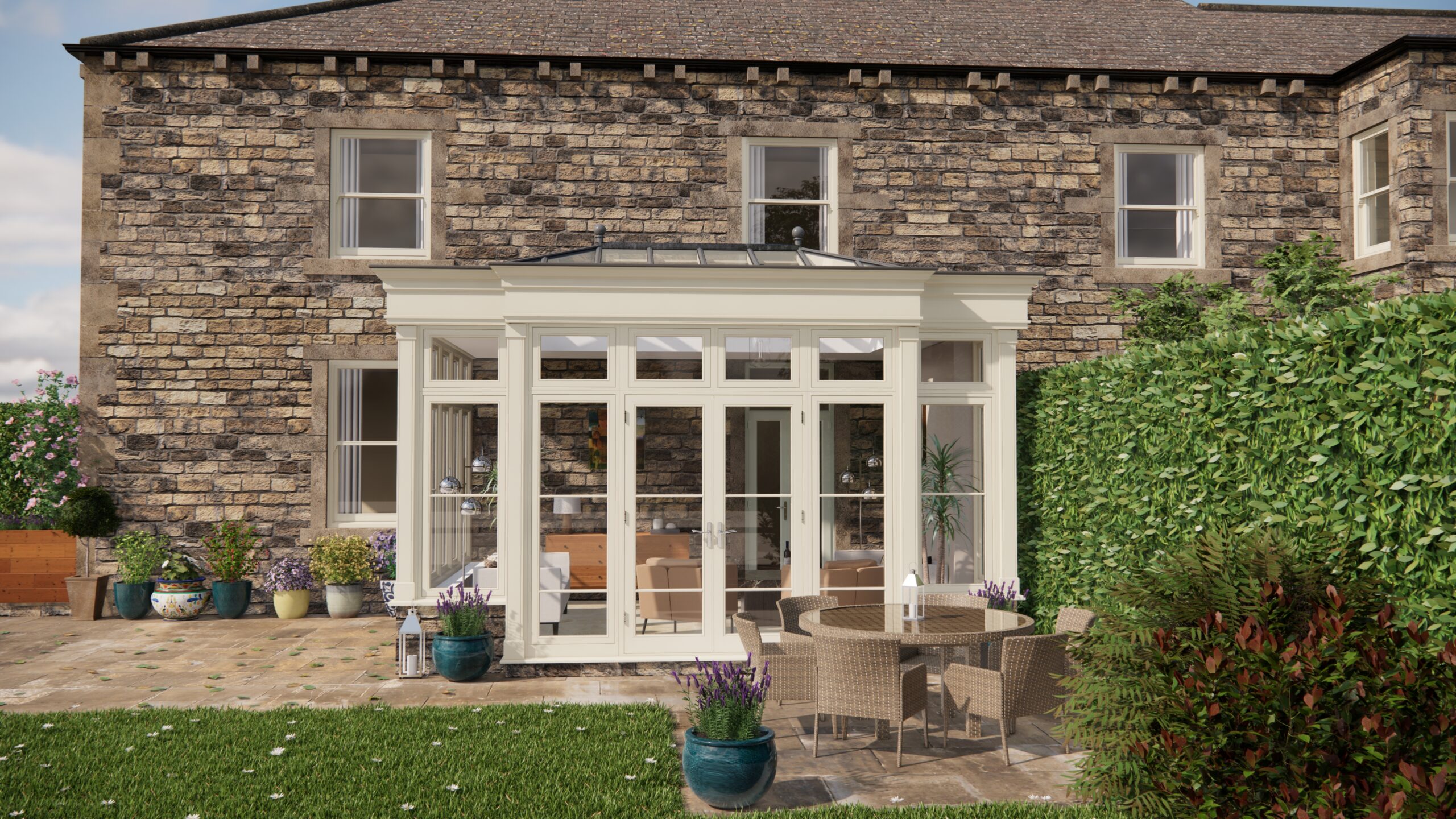
And finally, we discussed orangeries. Now, I know that’s a bit of a luxury, but the article we were reading highlighted how a bright, airy space filled with natural light can be incredibly beneficial for both exercise and relaxation. Imagine doing your morning yoga in an orangery bathed in sunshine. Or using it as a tranquil reading nook in the evening. It’s about creating a dedicated space within your home that promotes wellbeing. Even without an orangery, you can still create a similar effect by maximising natural light in your existing space. Think about decluttering, adding plants, and using light colours to create a sense of openness and airiness.
Samantha actually seemed convinced by the end of our chat! She’s going to download a free meditation app and give it another go. It’s easy to see the overall picture then. To make the best use of wellness and home space and to utilise technology, start with small steps, such as realistic goal setting, monitoring metrics and making adjustments. The overall message is to personalise wellness routines.